Description
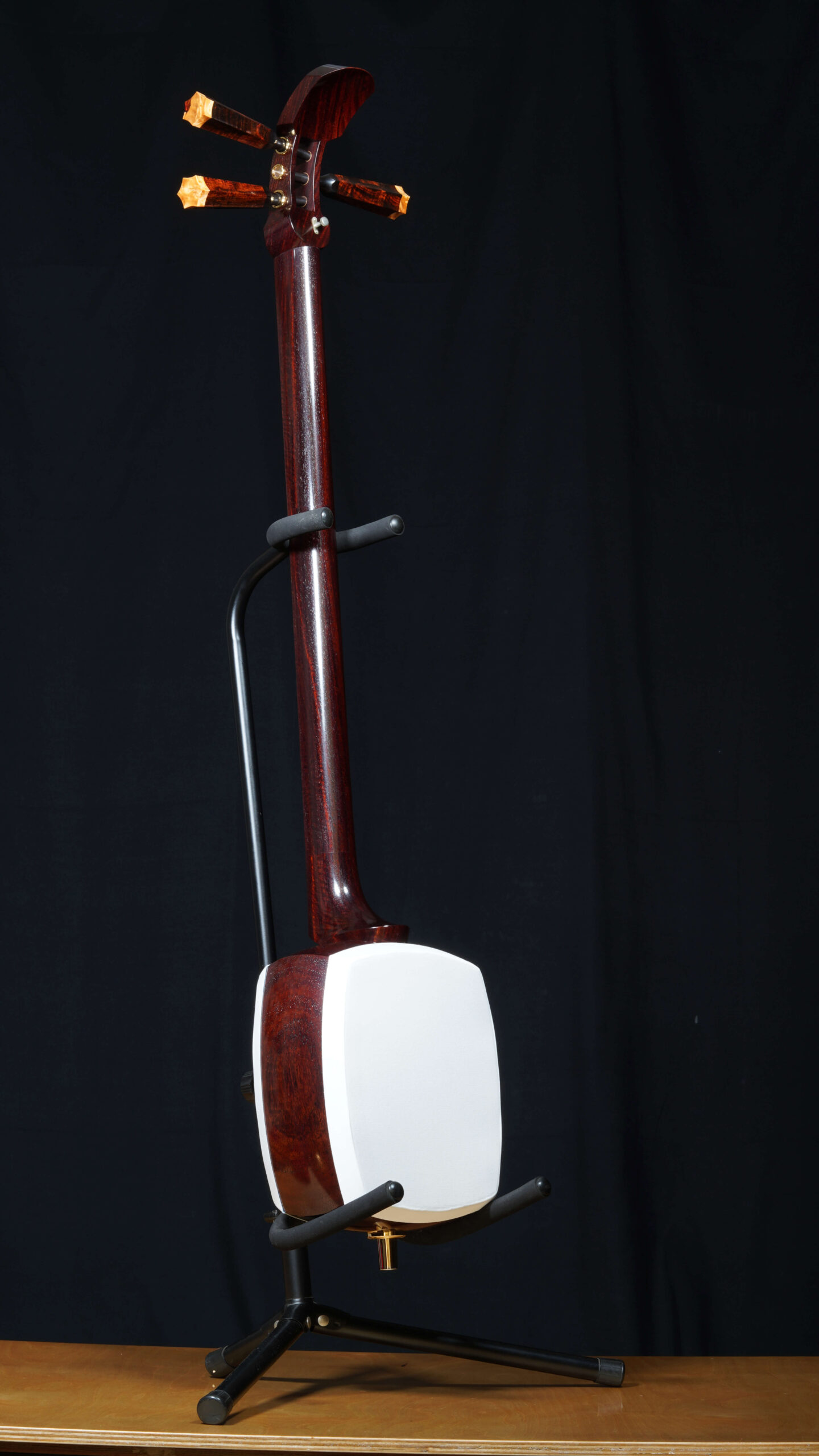
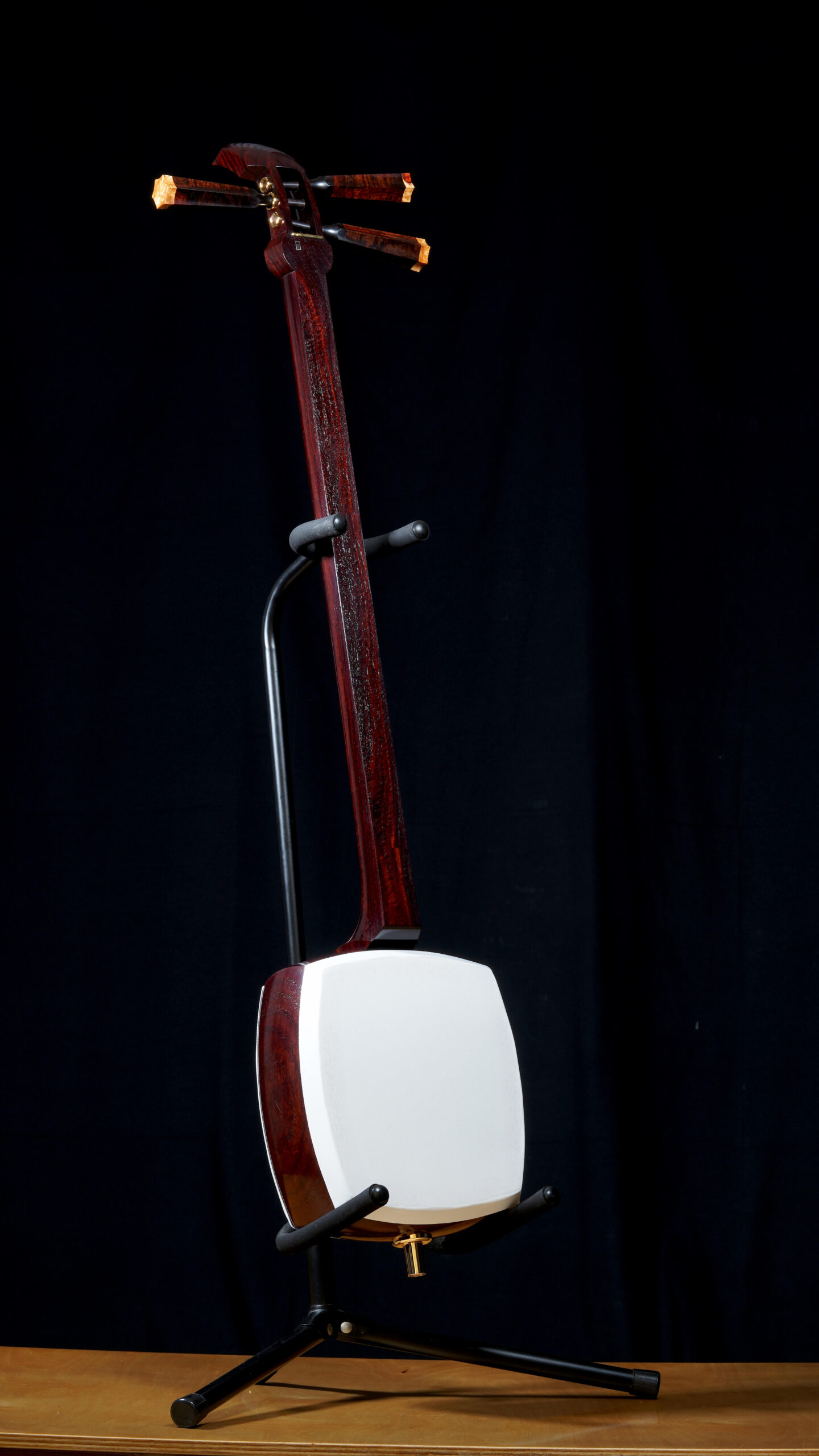
The “Brand New Vintage” Tsugaru Shamisen
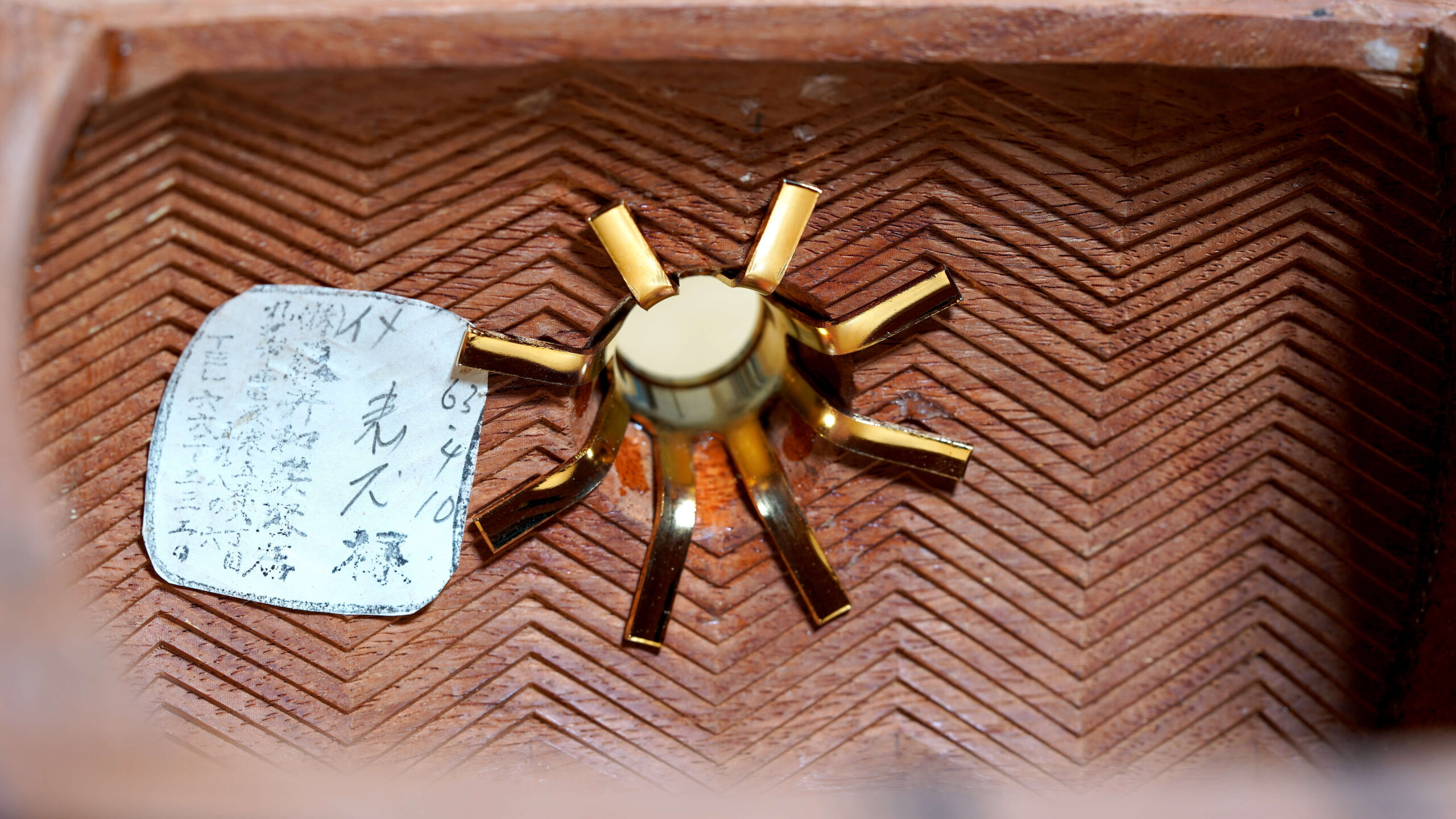
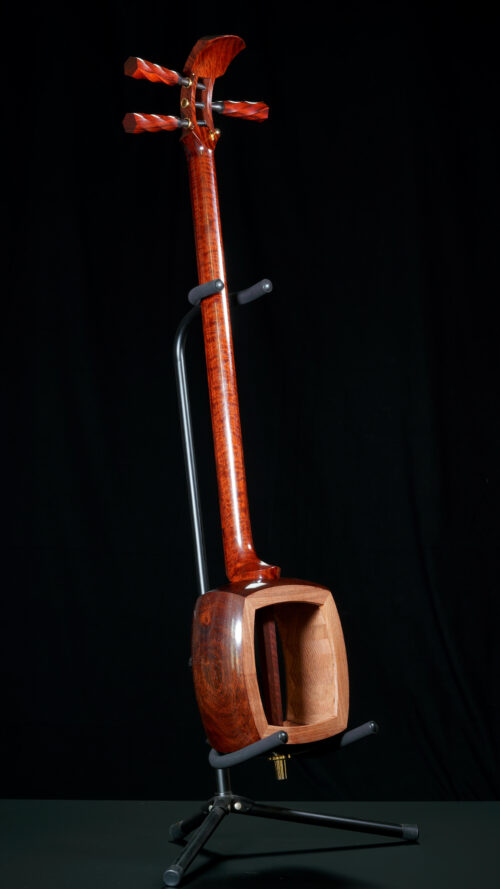
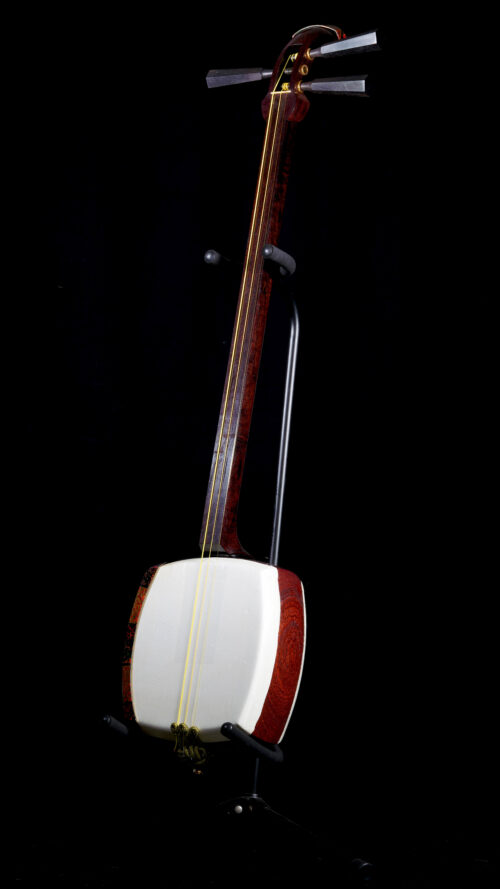
This instrument represents a unique opportunity to own a piece of shamisen history in the condition that it would have been owned in the era it was made. Based on two bits of evidence, my educated guess is that this shamisen was constructed around the time of the formalization of the Tsugaru style – late 1960s / early 1970s. The first piece of evidence is the tag inside the dou (shown in the picture gallery) which is placed by the craftsman who reskinned the shamisen. According to the tag, the front side skin was replaced in 1988. Front side skins tend to rupture more frequently due to them being stretched tighter than the backside. Thus, if only the front side was replaced in 1988, it may have been many years since both skins were originally attached.
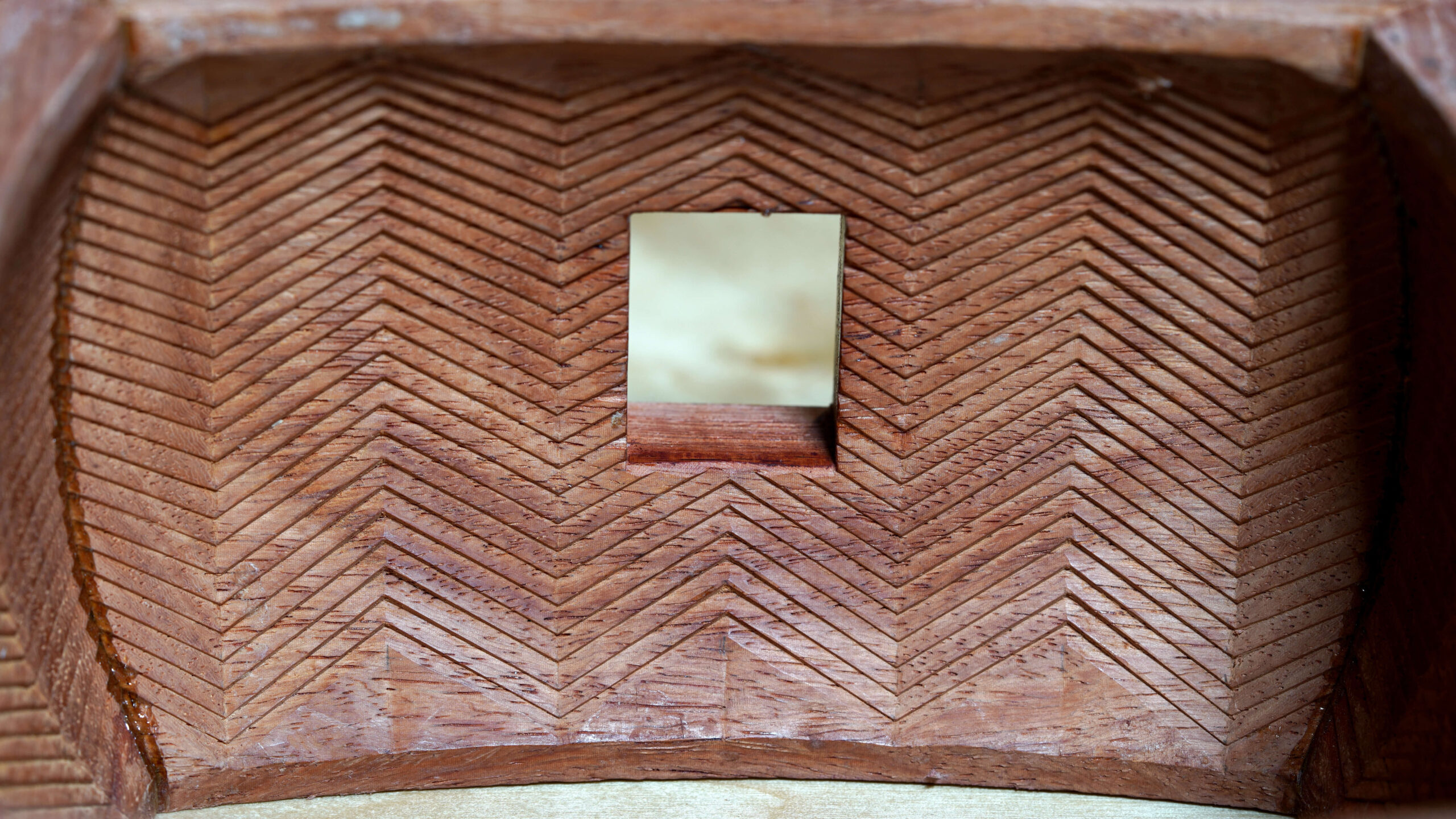
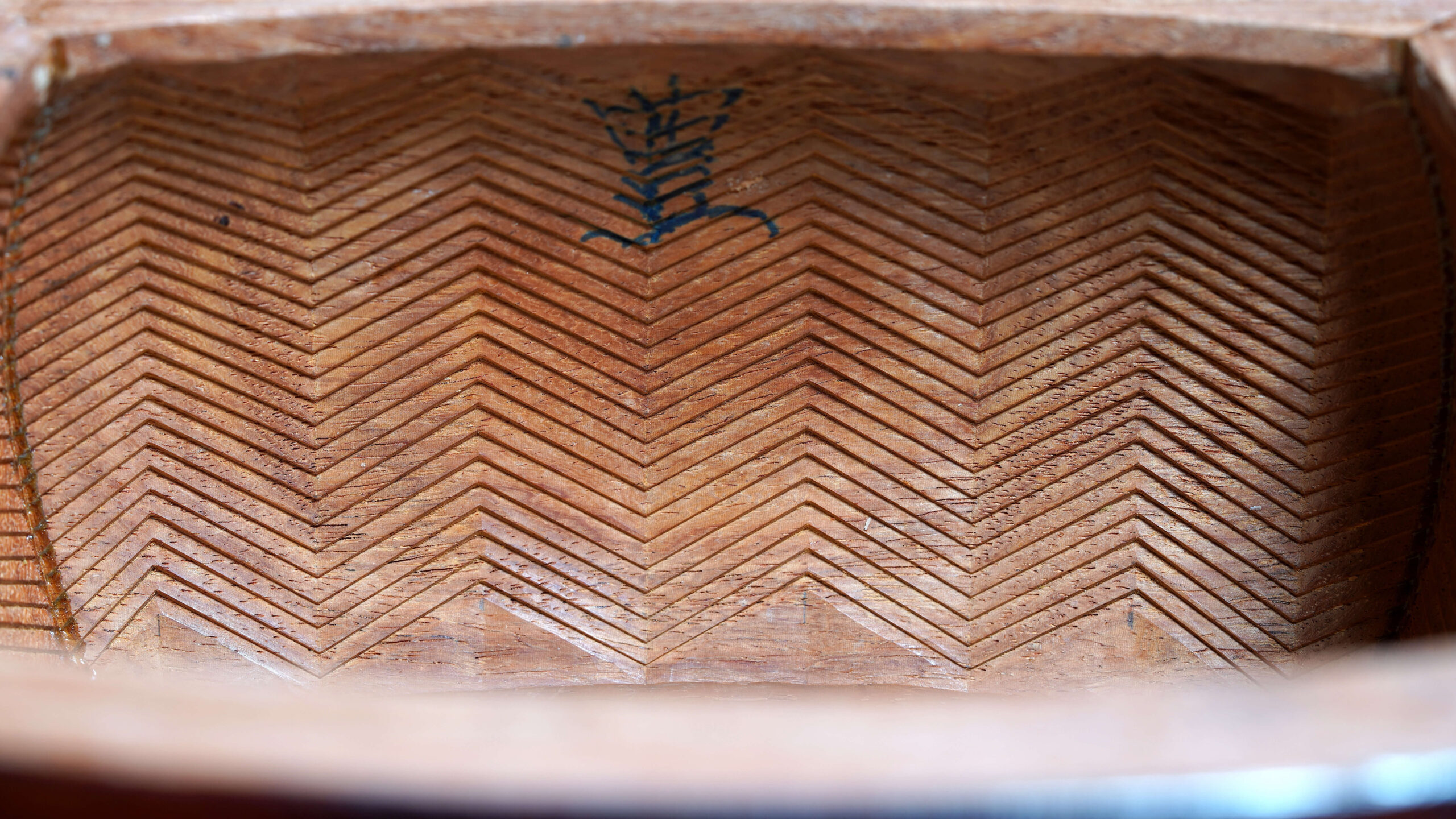
The second piece of evidence is the dou itself. While the dou itself is Size 5 (and will fit standard tsugaru doukake), the thickness of the dou is a bit thinner than what is commonly used for the current Size 5 dou. This would suggest the shamisen was made before the size was 100% standardized. Furthermore, the ayasugi is hand-carved, whereas in the 80s it already began being cut by machine.
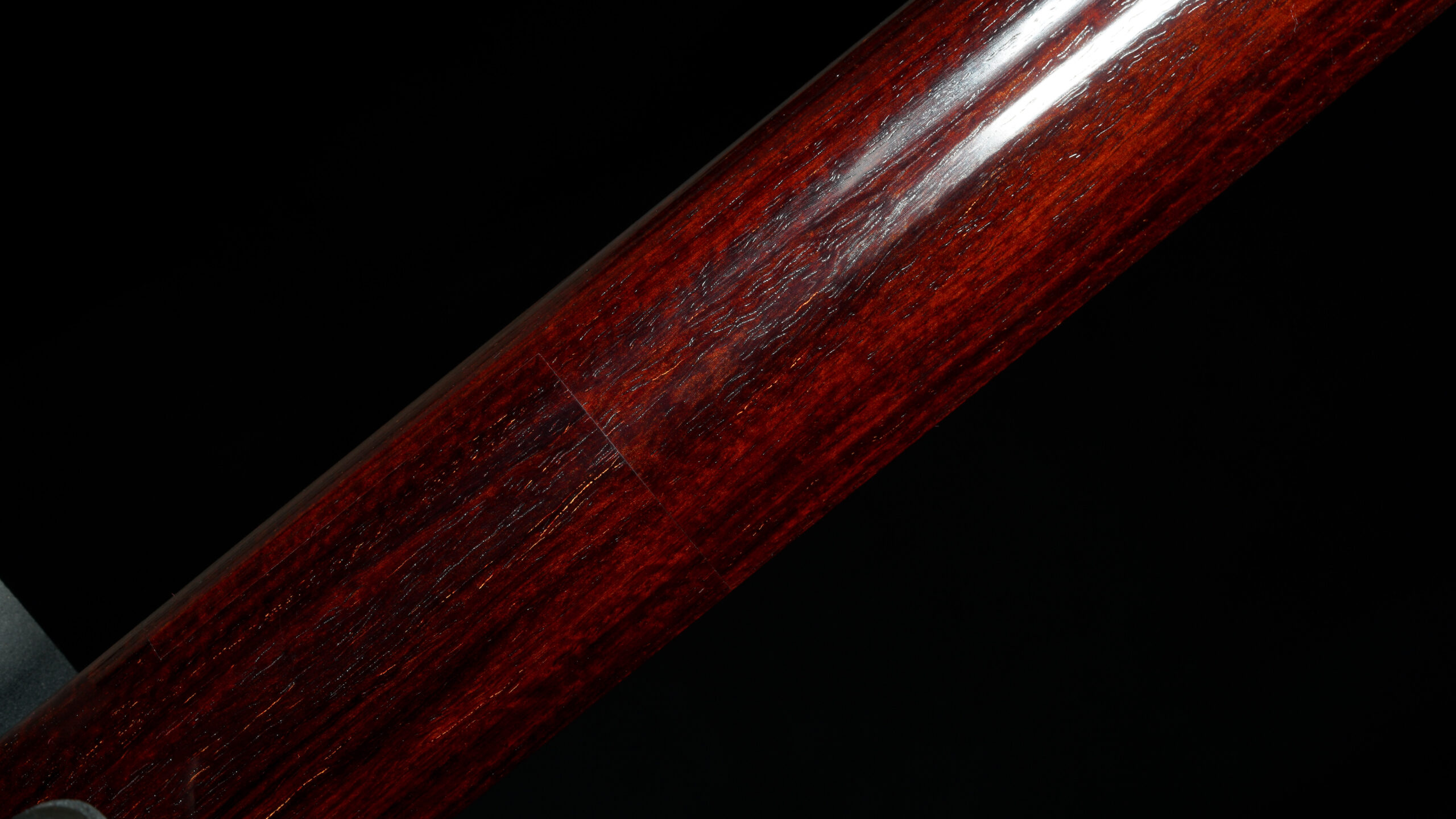
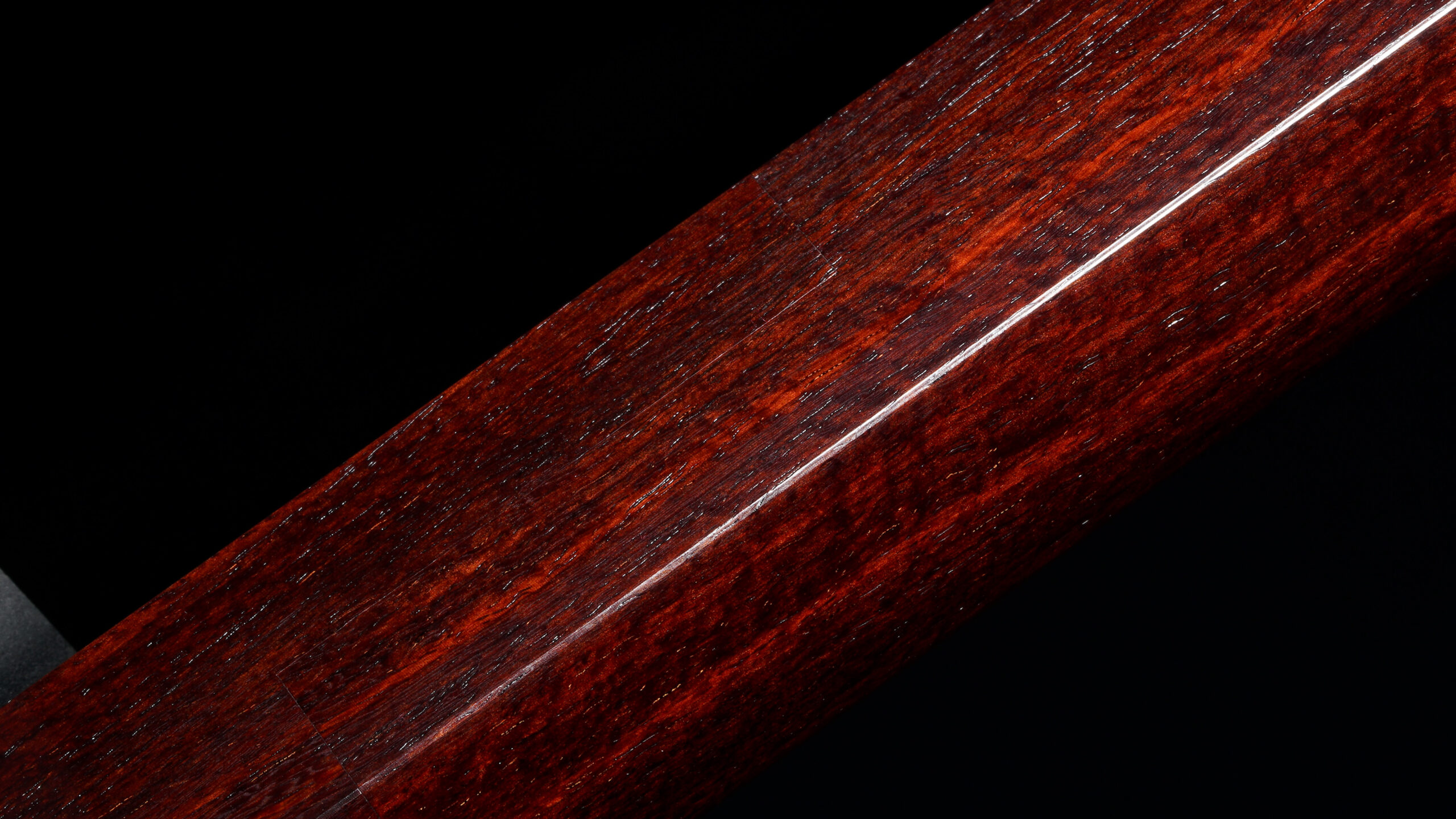
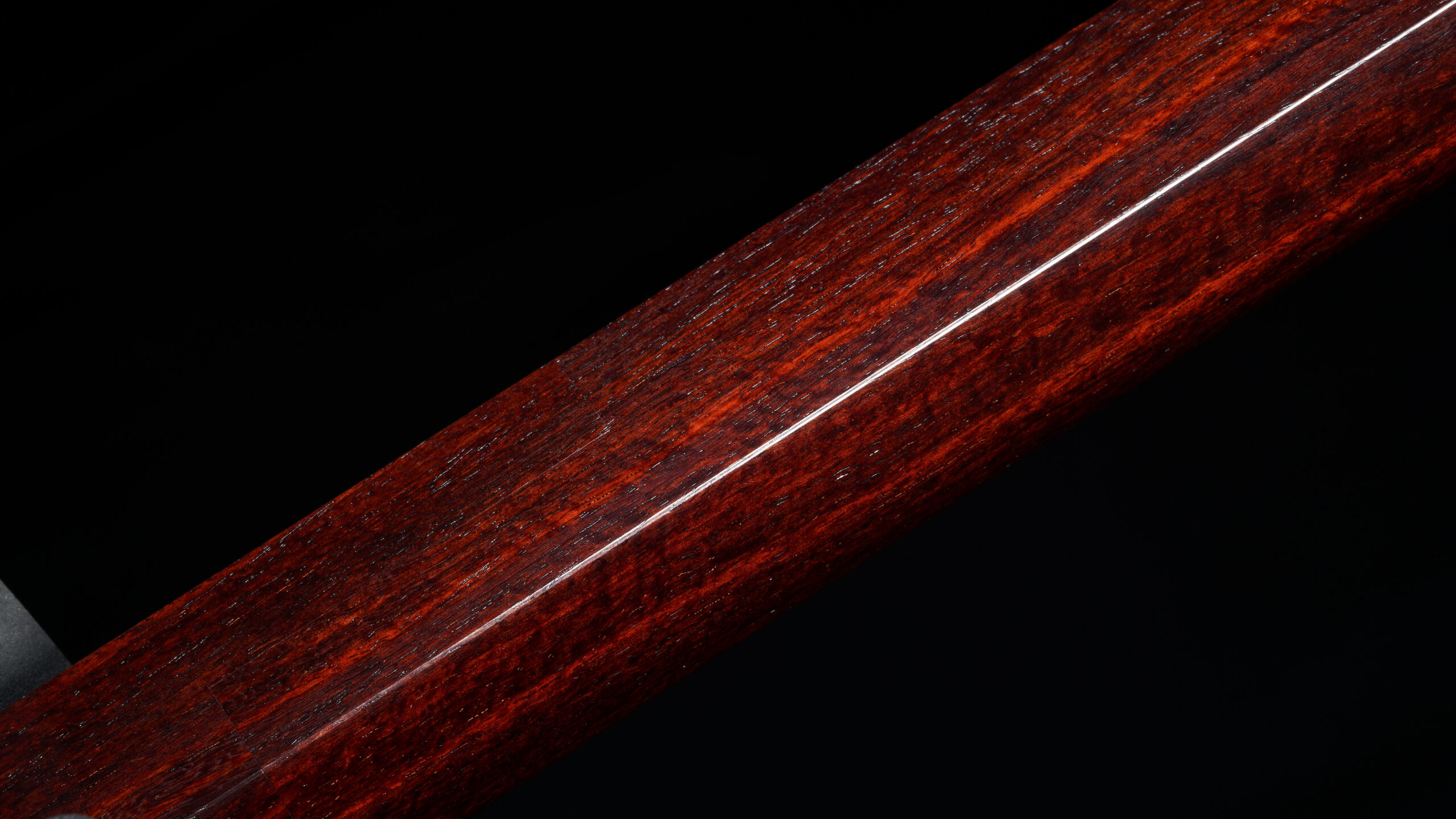
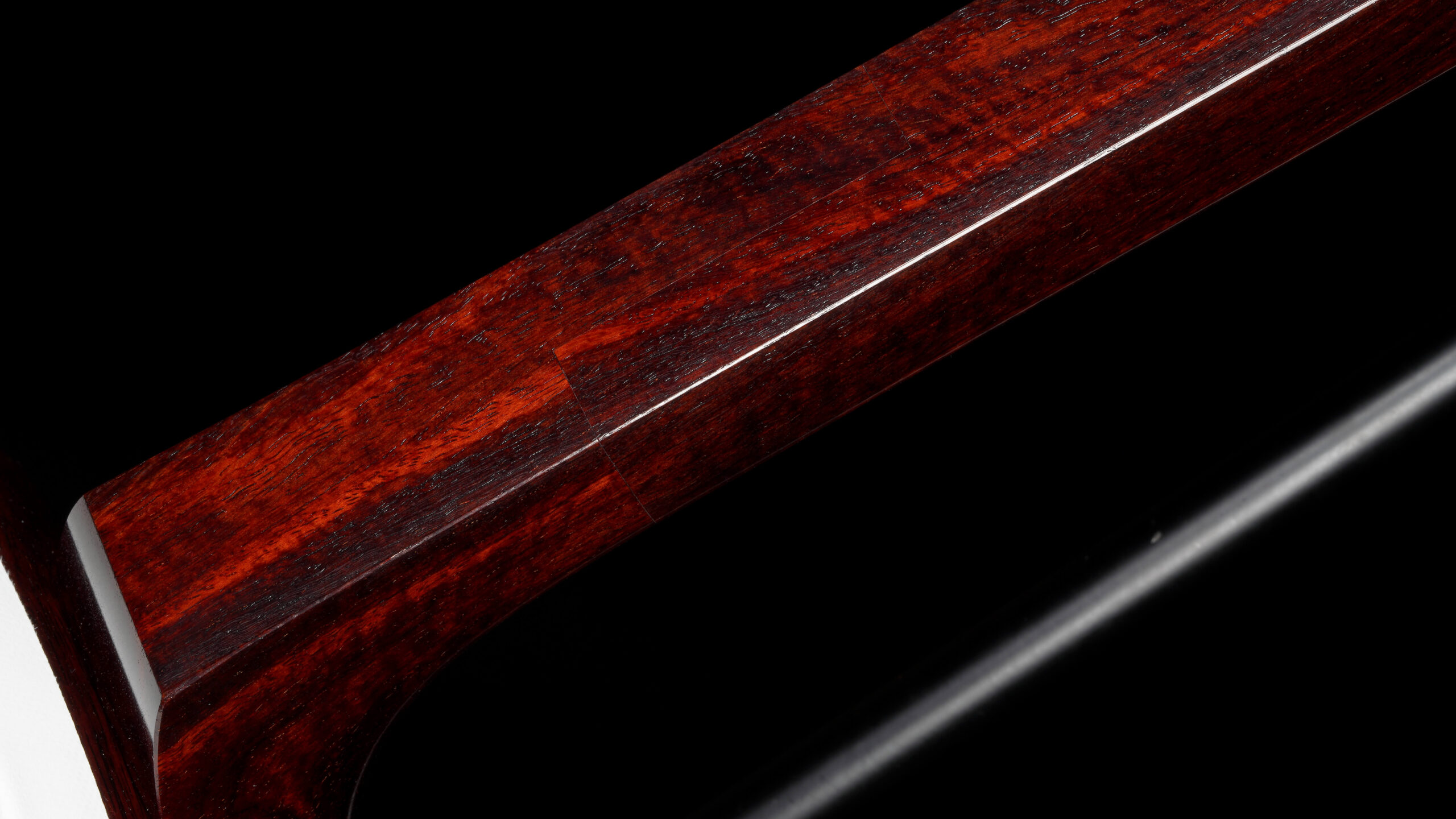
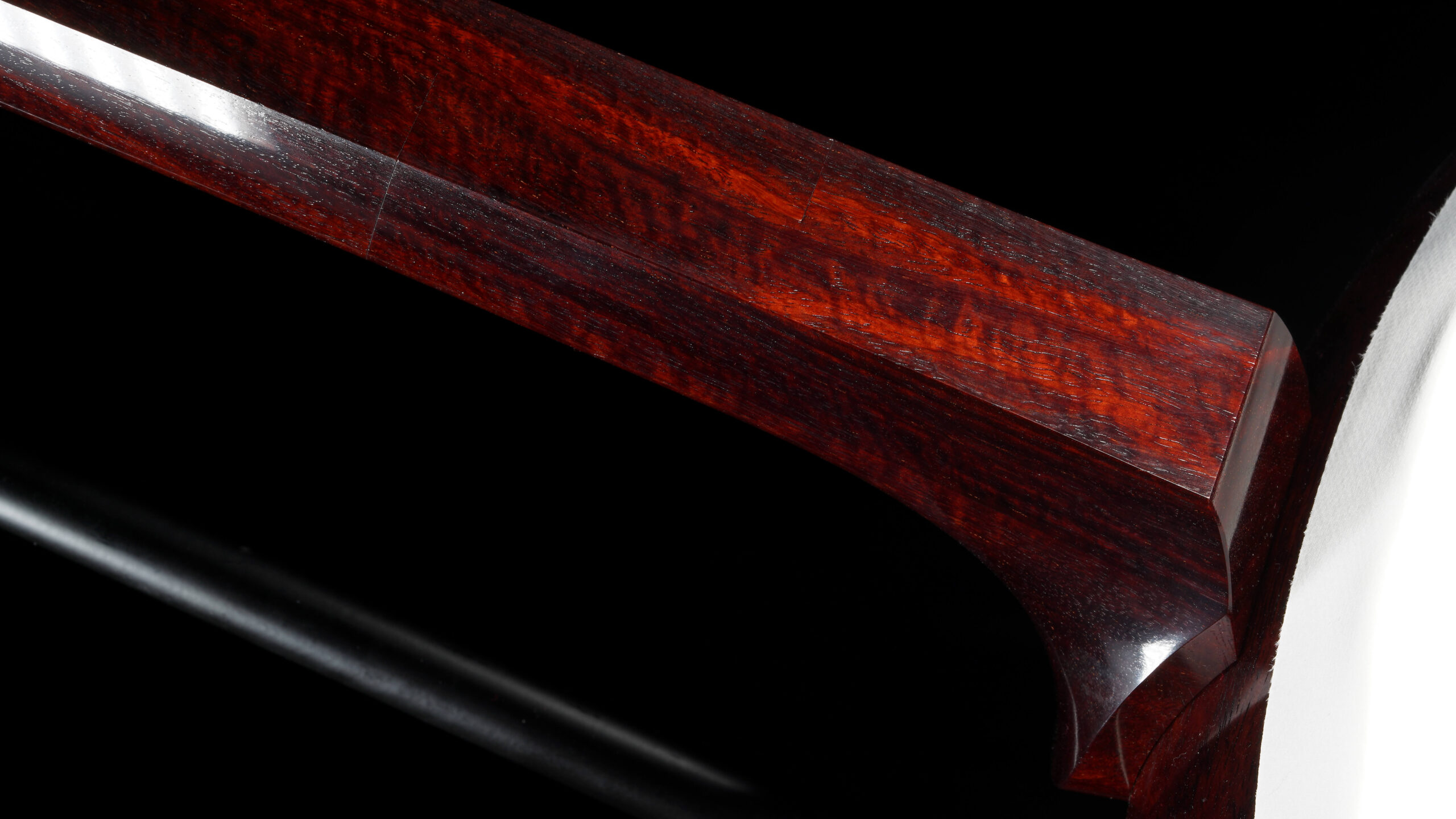
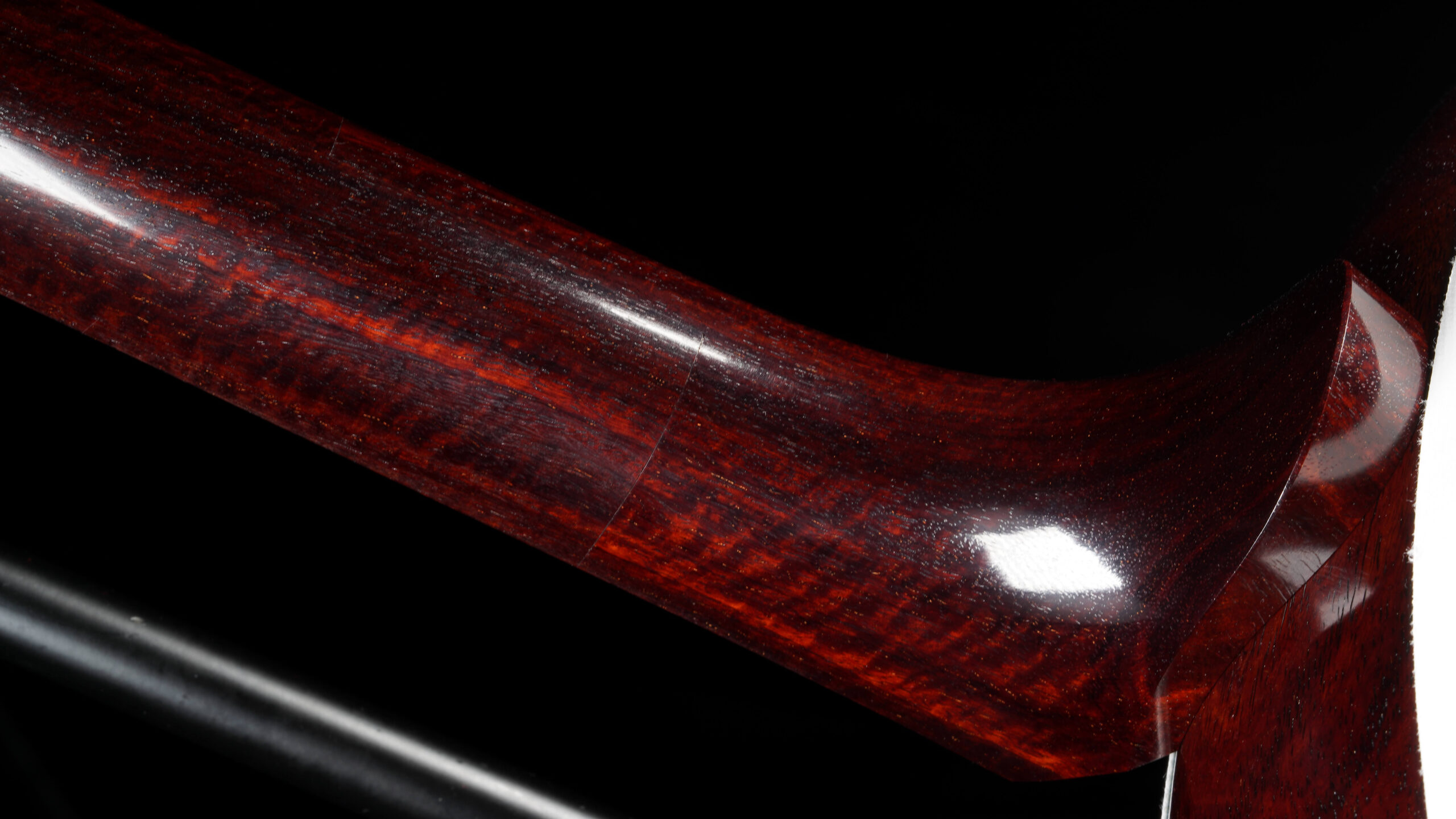
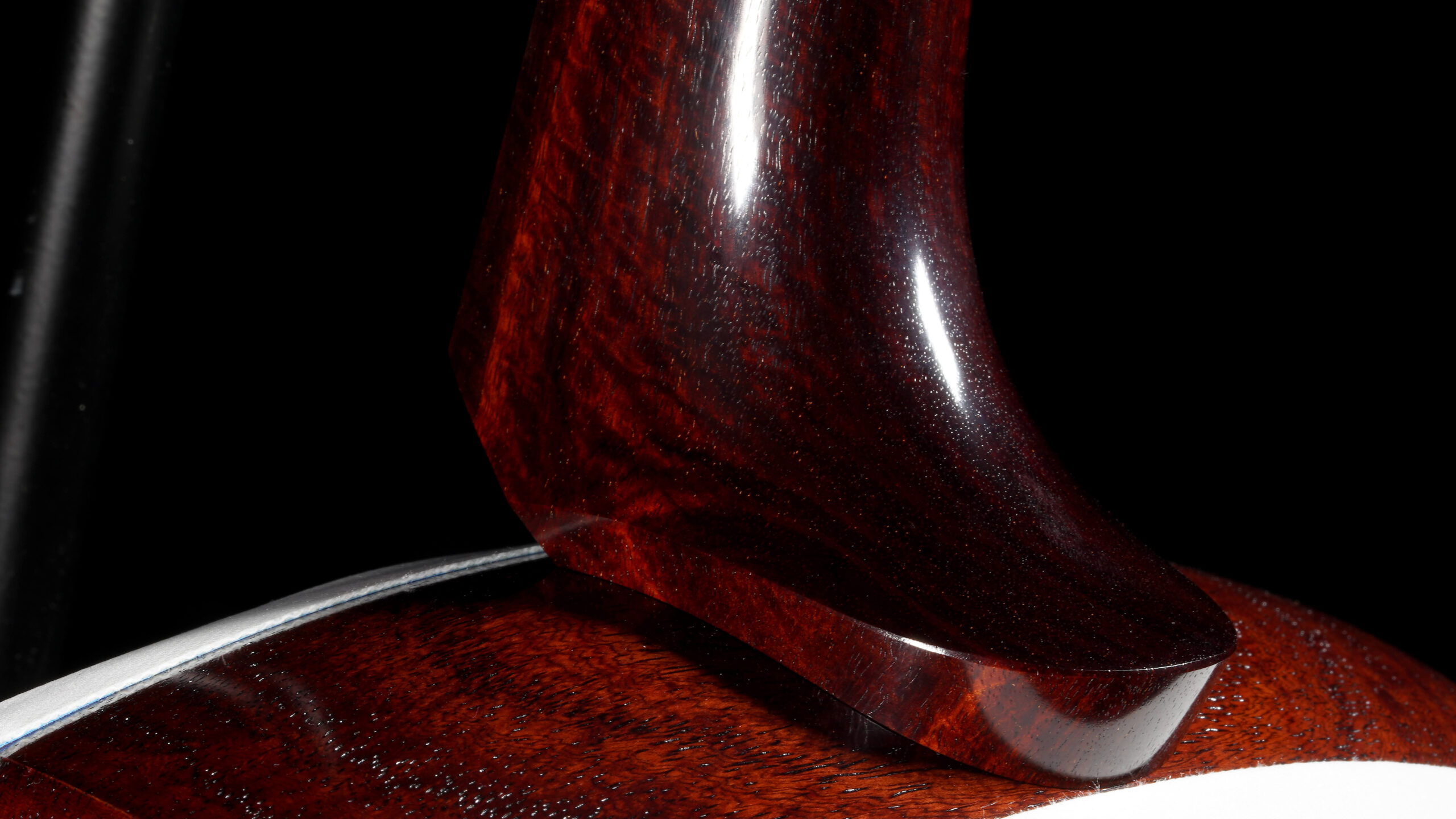
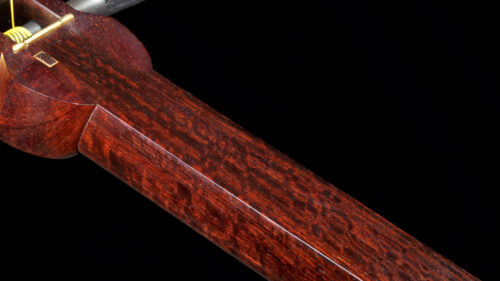
The wood comes from a time when highly figured kouki was abundant (of which it is no longer), and the fit and finish are indistinguishable from a brand-new Tokyo Wagakki professional model.
Expert Restoration by Tokyo Wagakki
We sent this shamisen to be refreshed by Tokyo Wagakki, the most respected shamisen workshop which has been around for 130 years, long before Tsugaru Shamisen was coined as a style. And this wasn’t just cleaned; it was rebuilt. The craftsmen at Tokyo Wagakki spent as much time refreshing this instrument as they would building a new one.
-
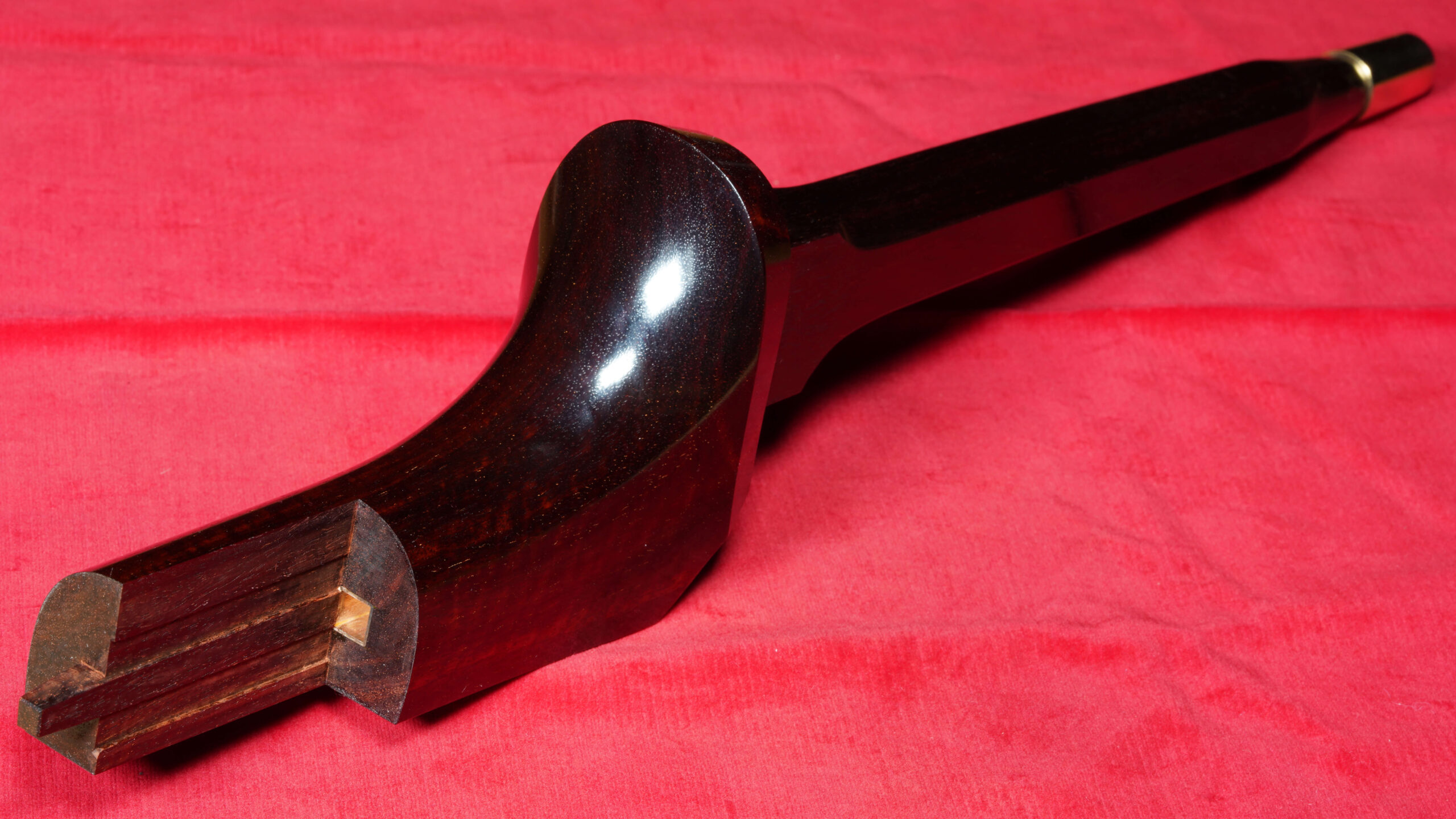
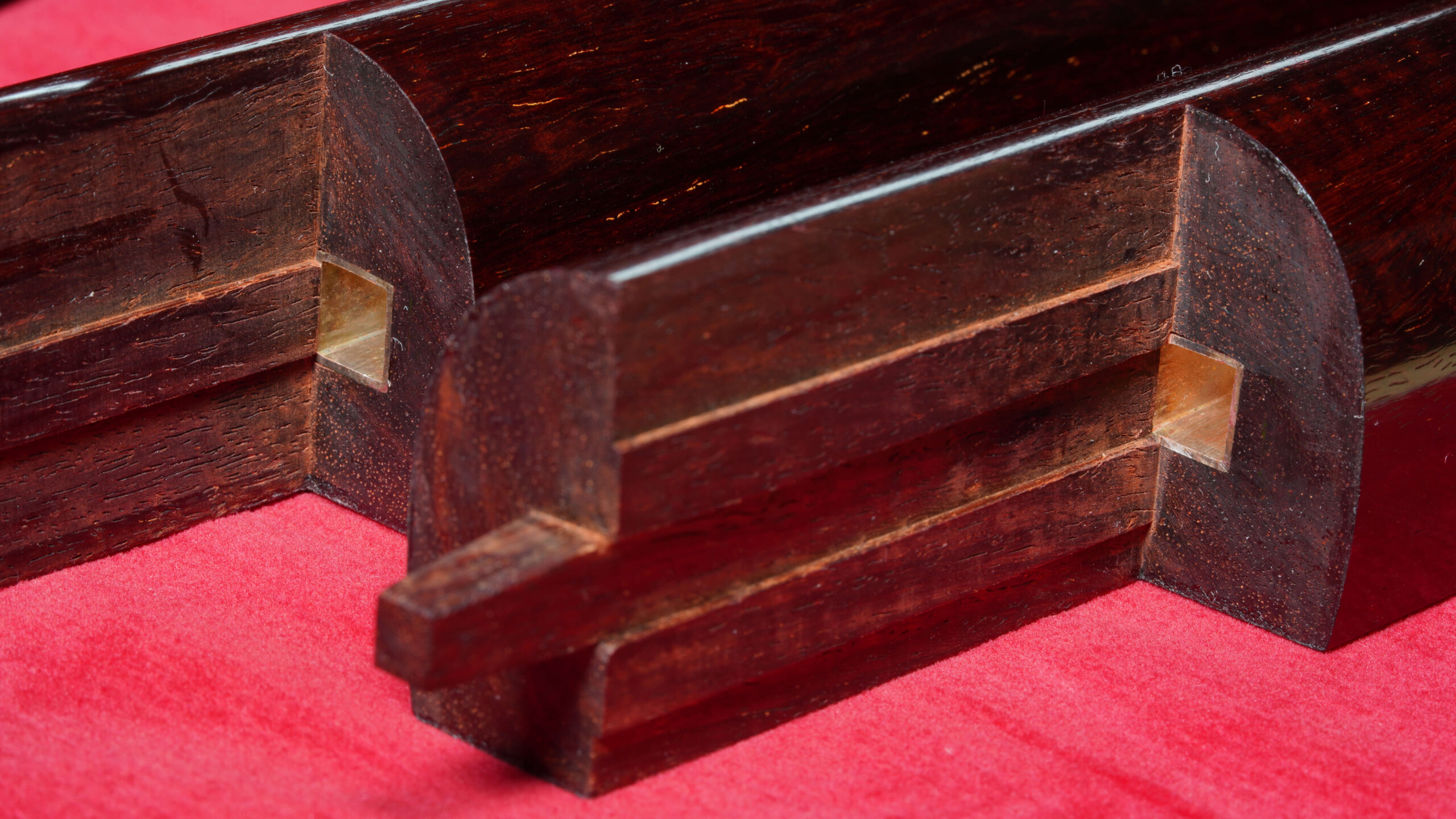
The Dou (Body): The high-quality Karin wood dou features hand-carved ayasugi (herringbone pattern) inside. The body was completely dismantled, joints leveled and reglued, sanded, and finished with fresh Urushi lacquer.
-
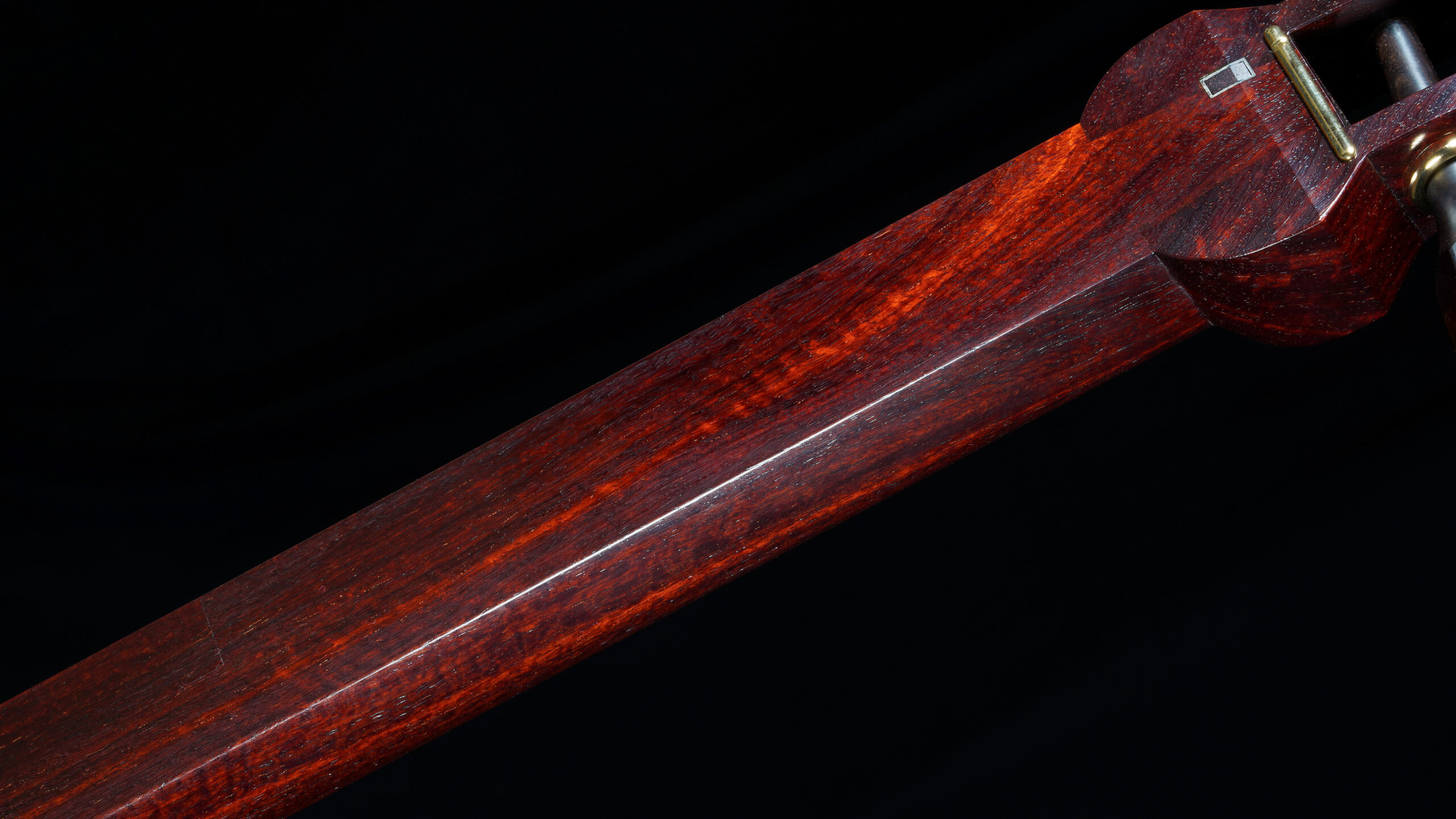
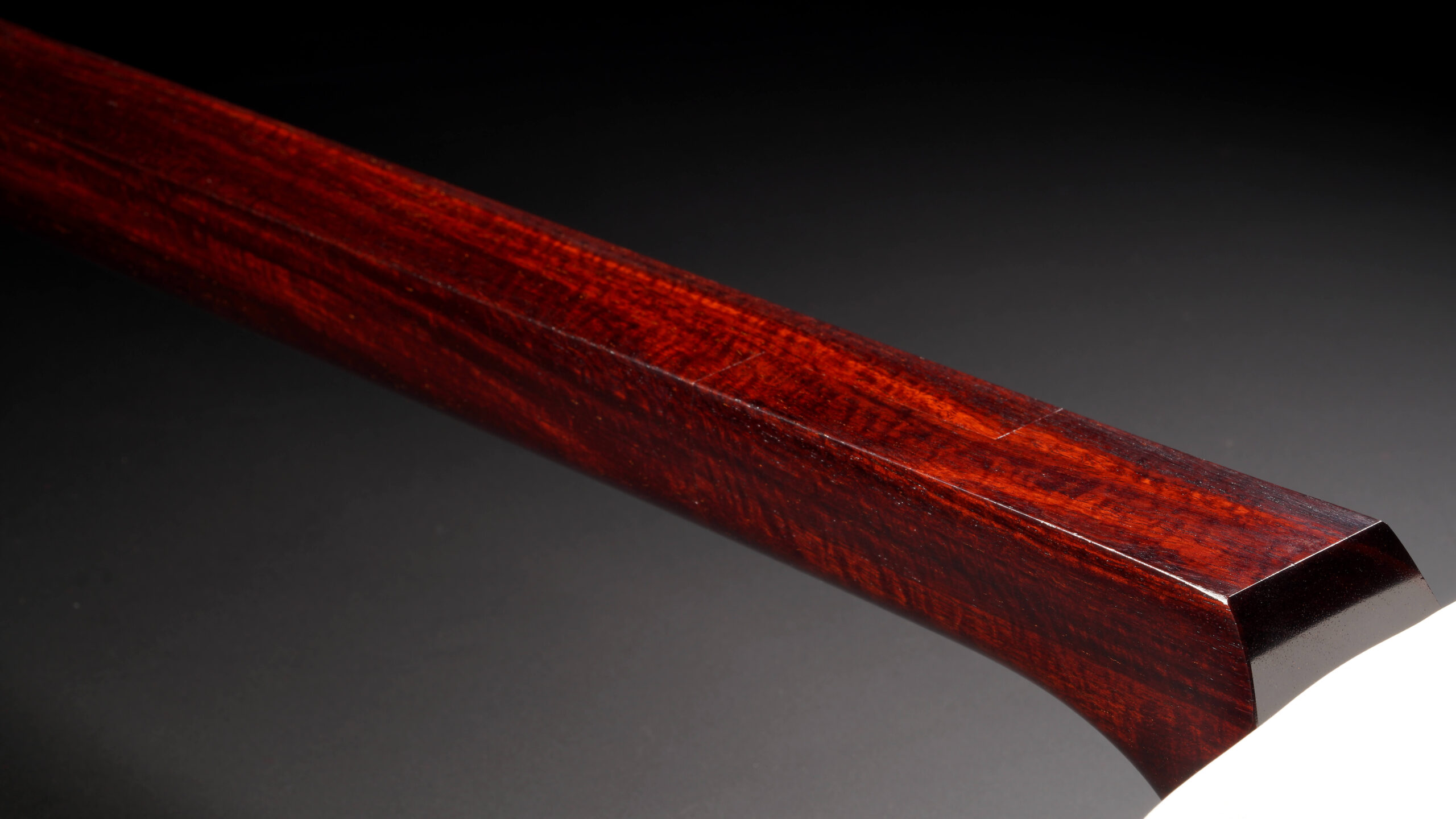
The Neck: Masterfully leveled and relacquered for a smooth, brand-new playing experience.
-
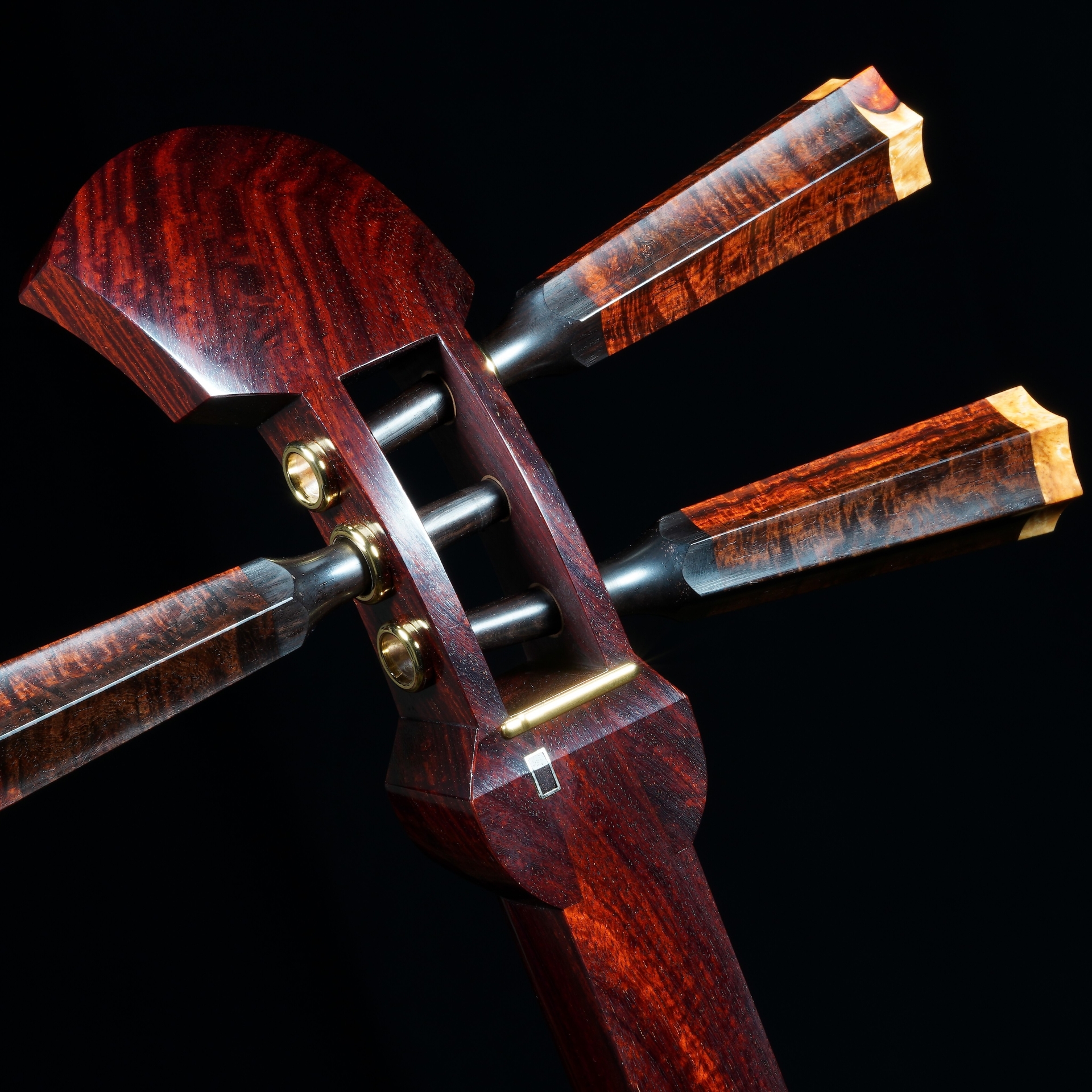
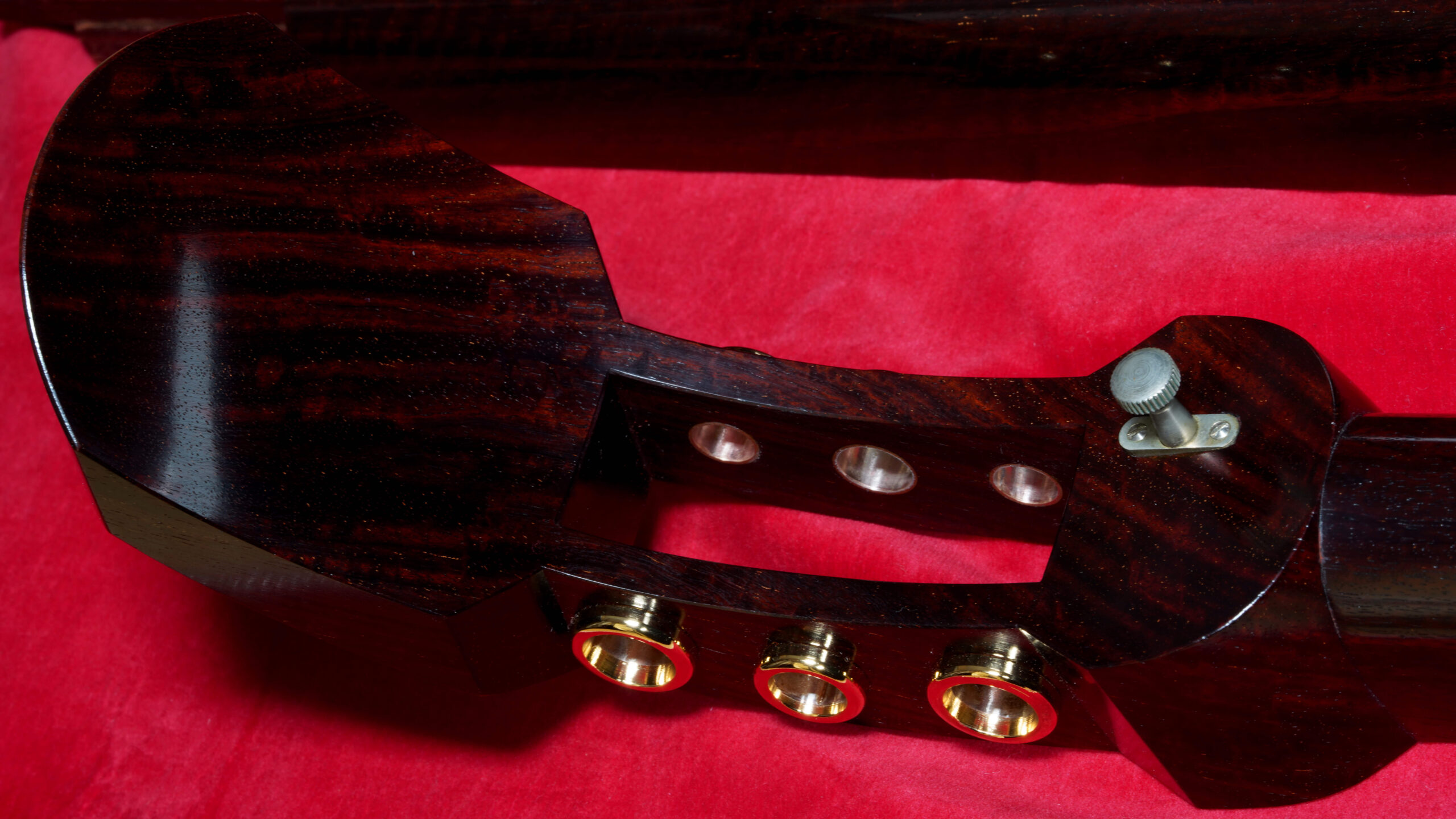
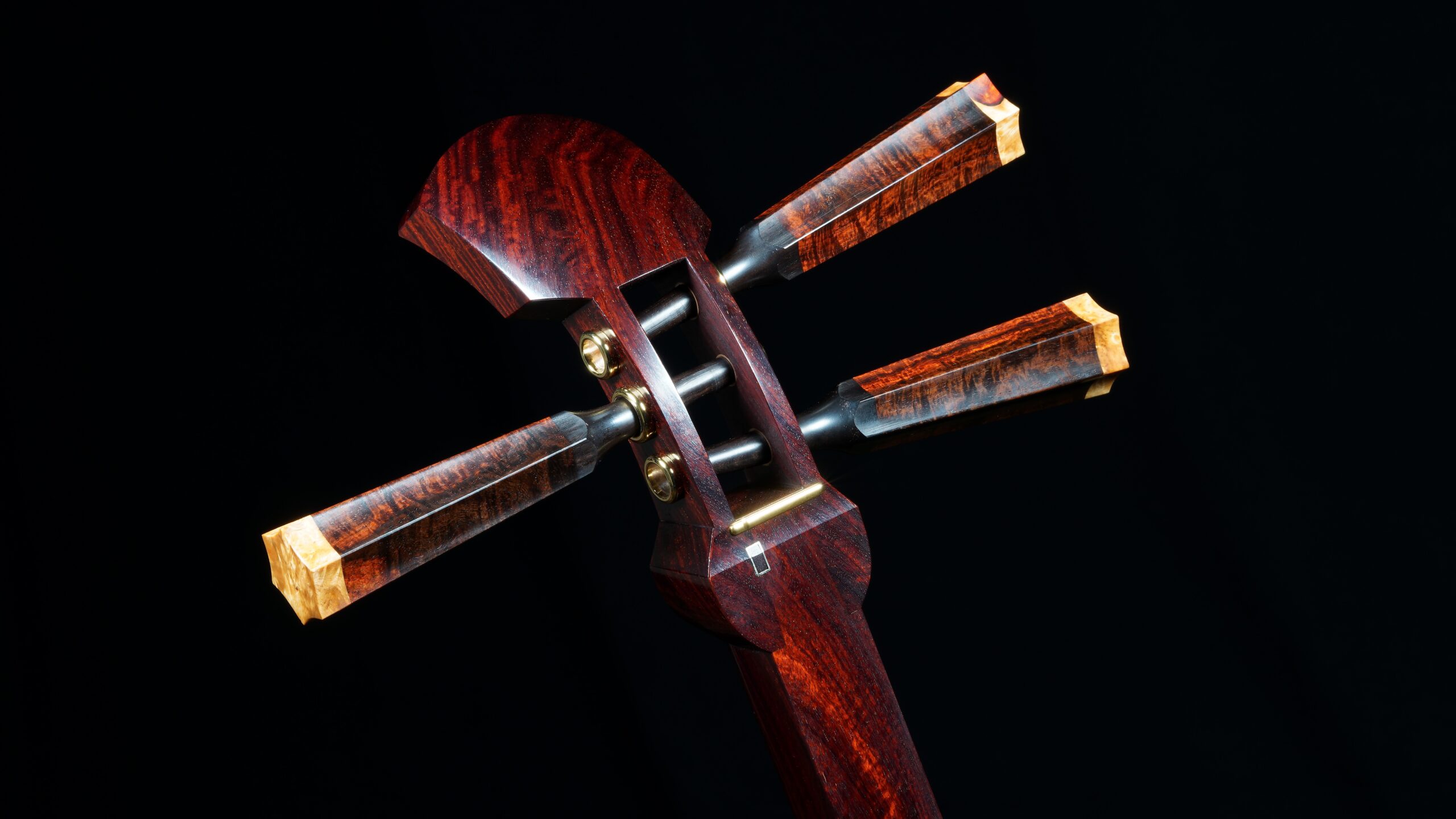
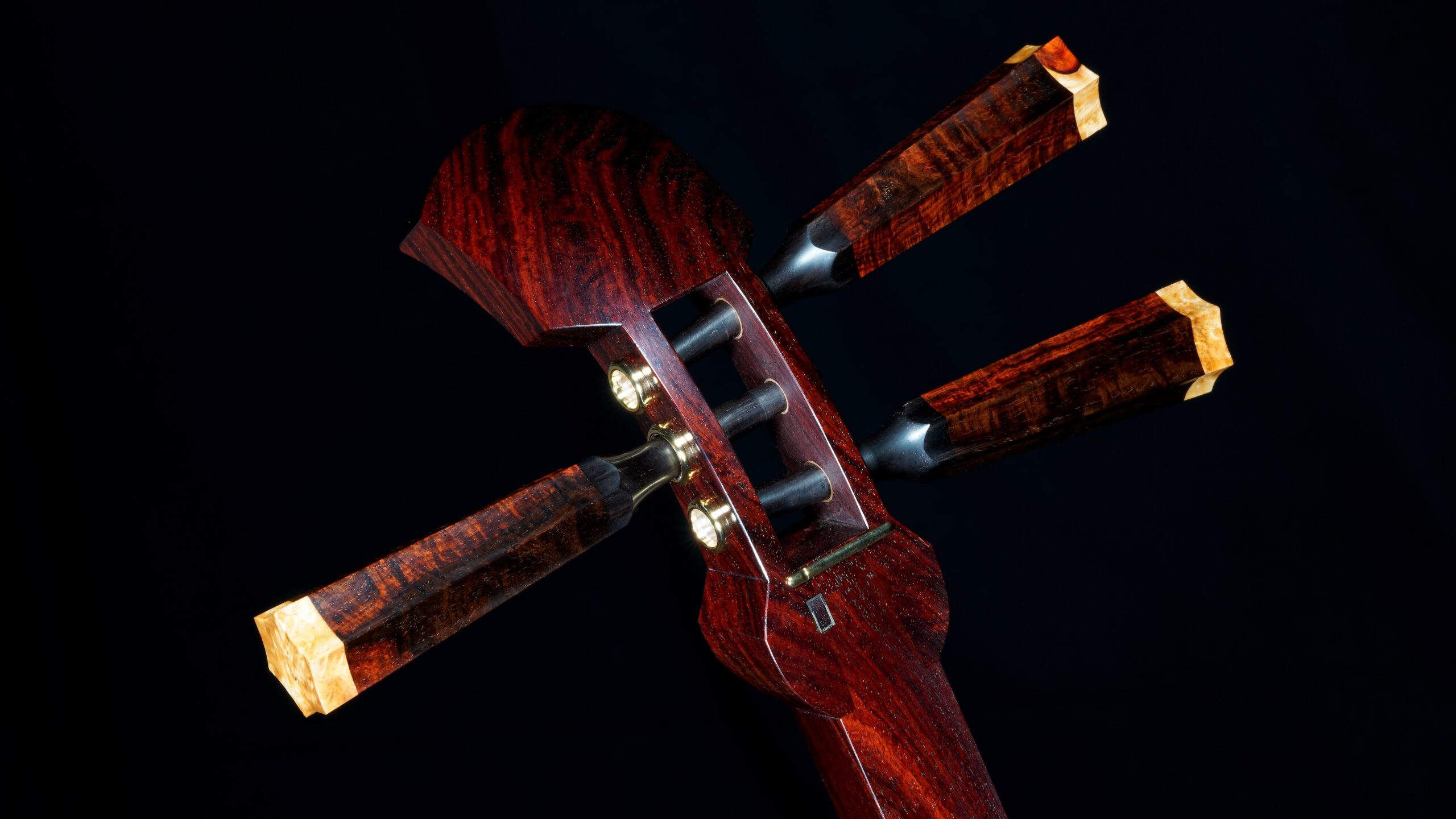
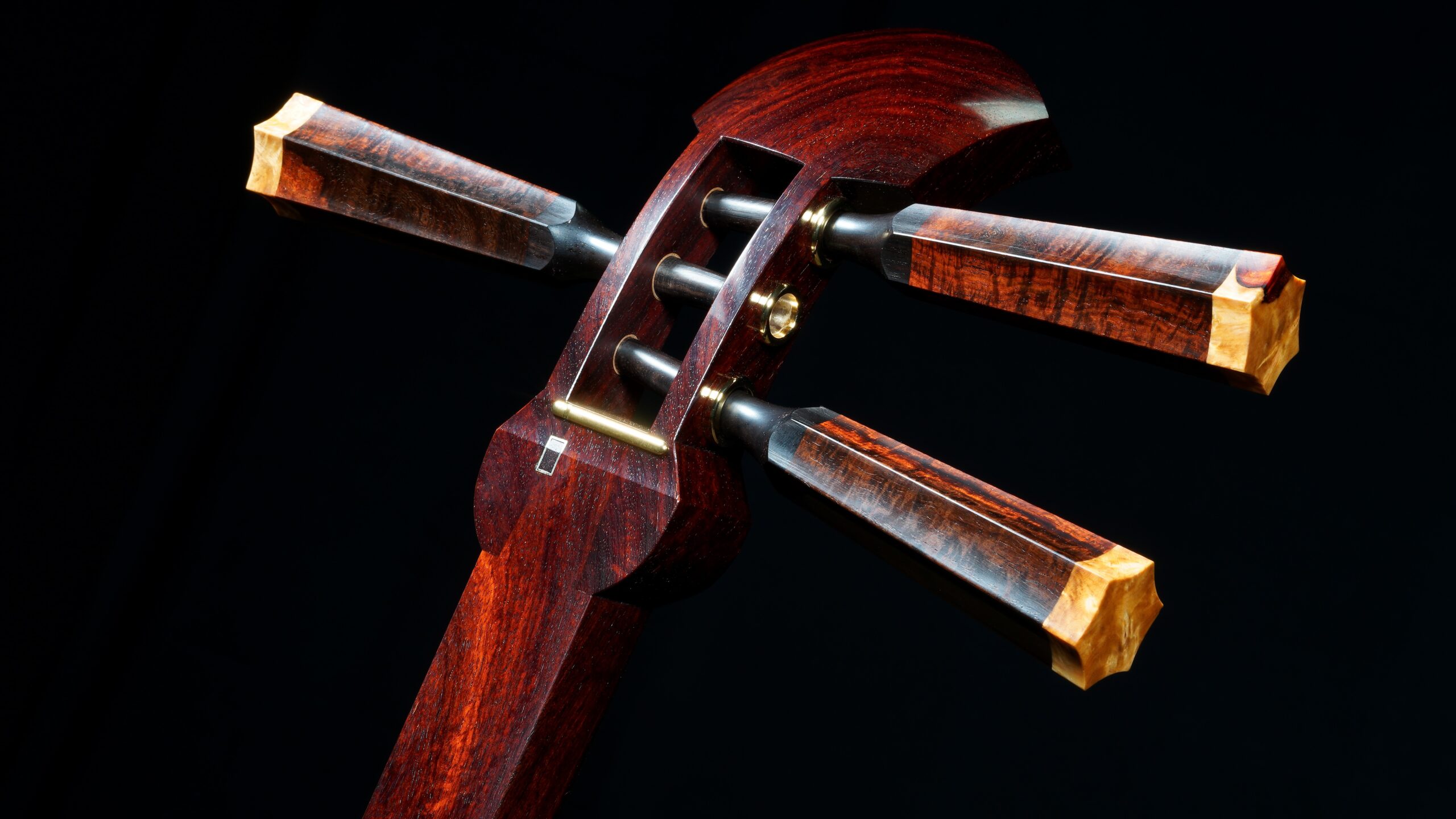
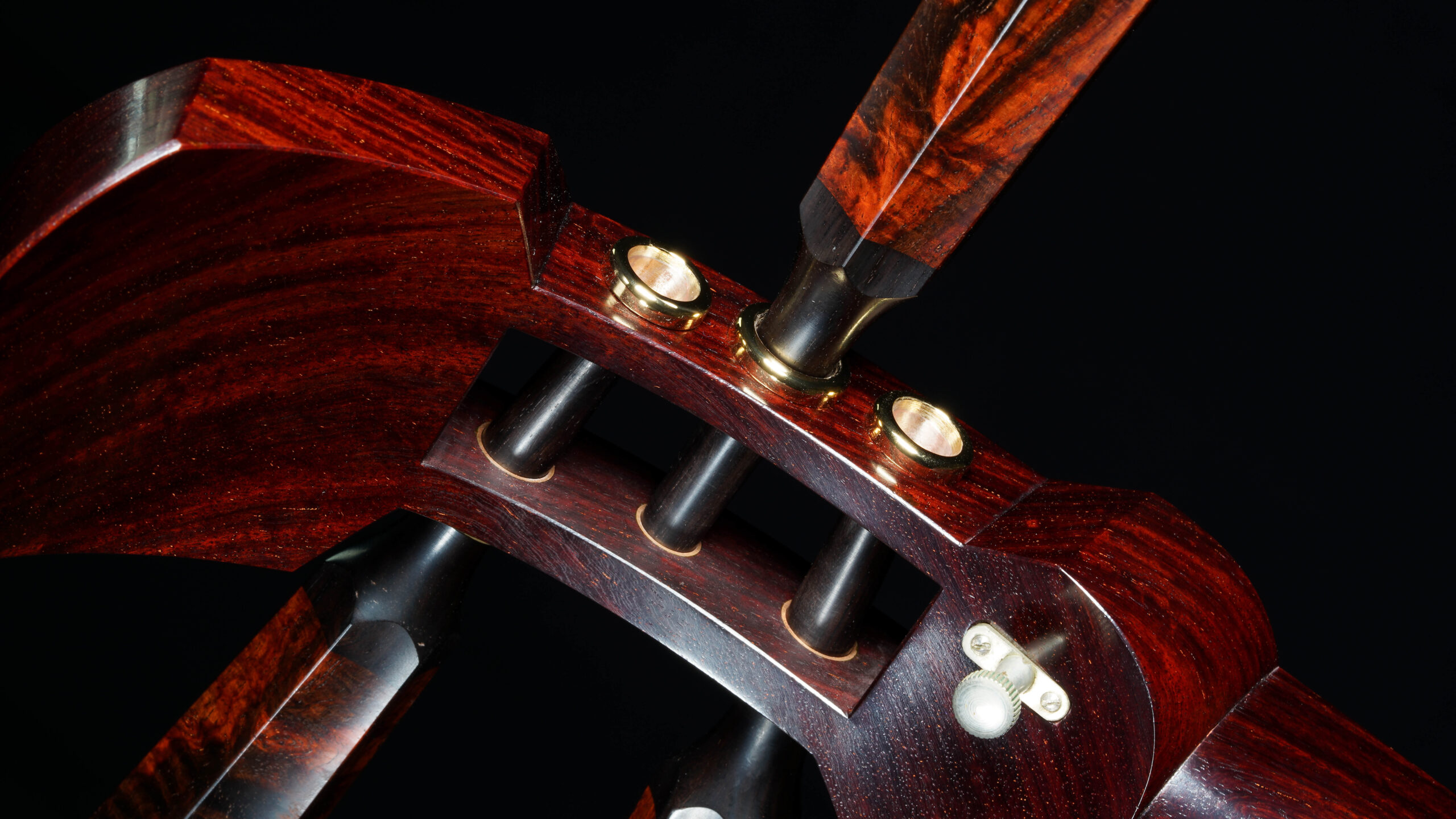
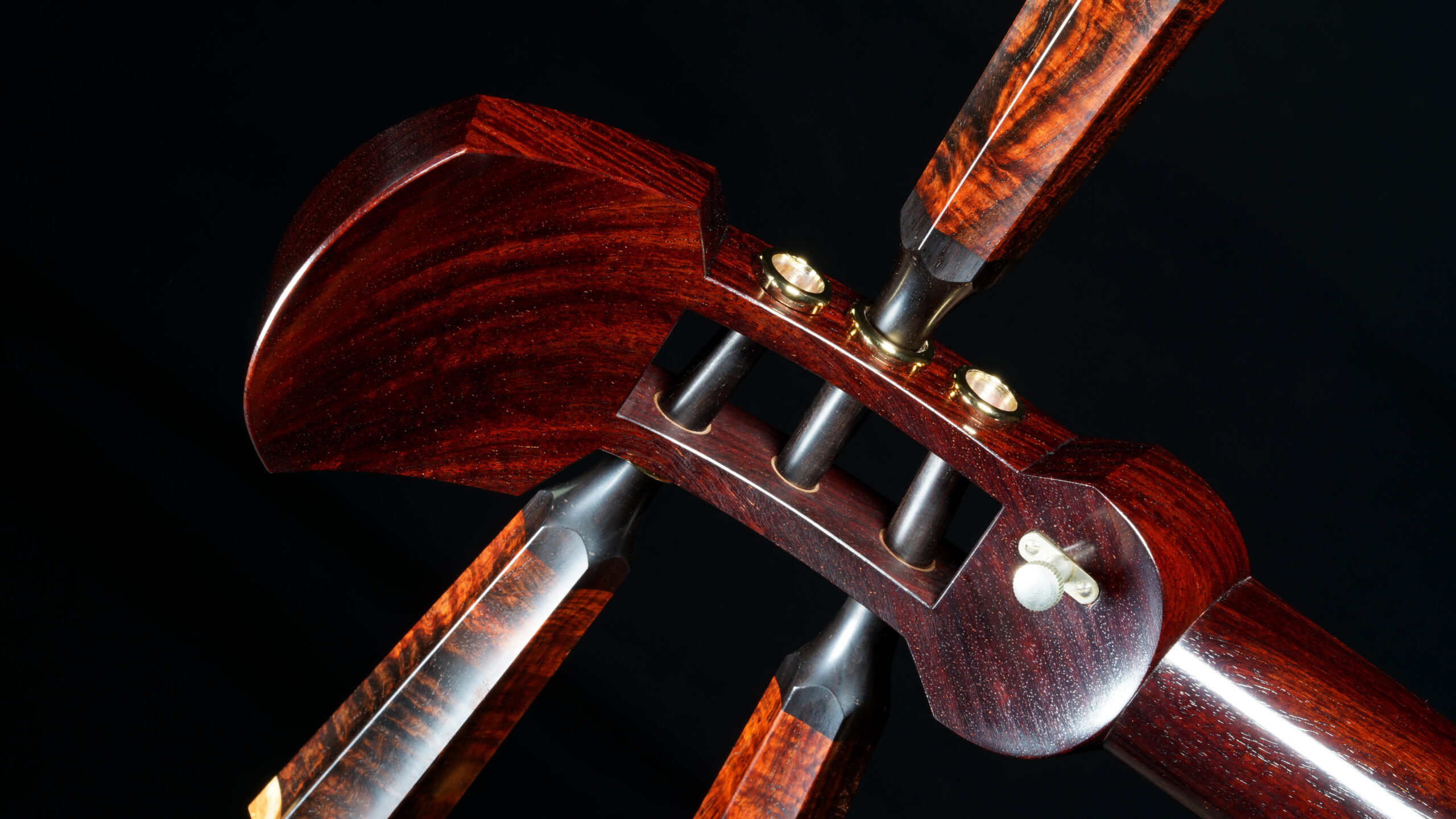
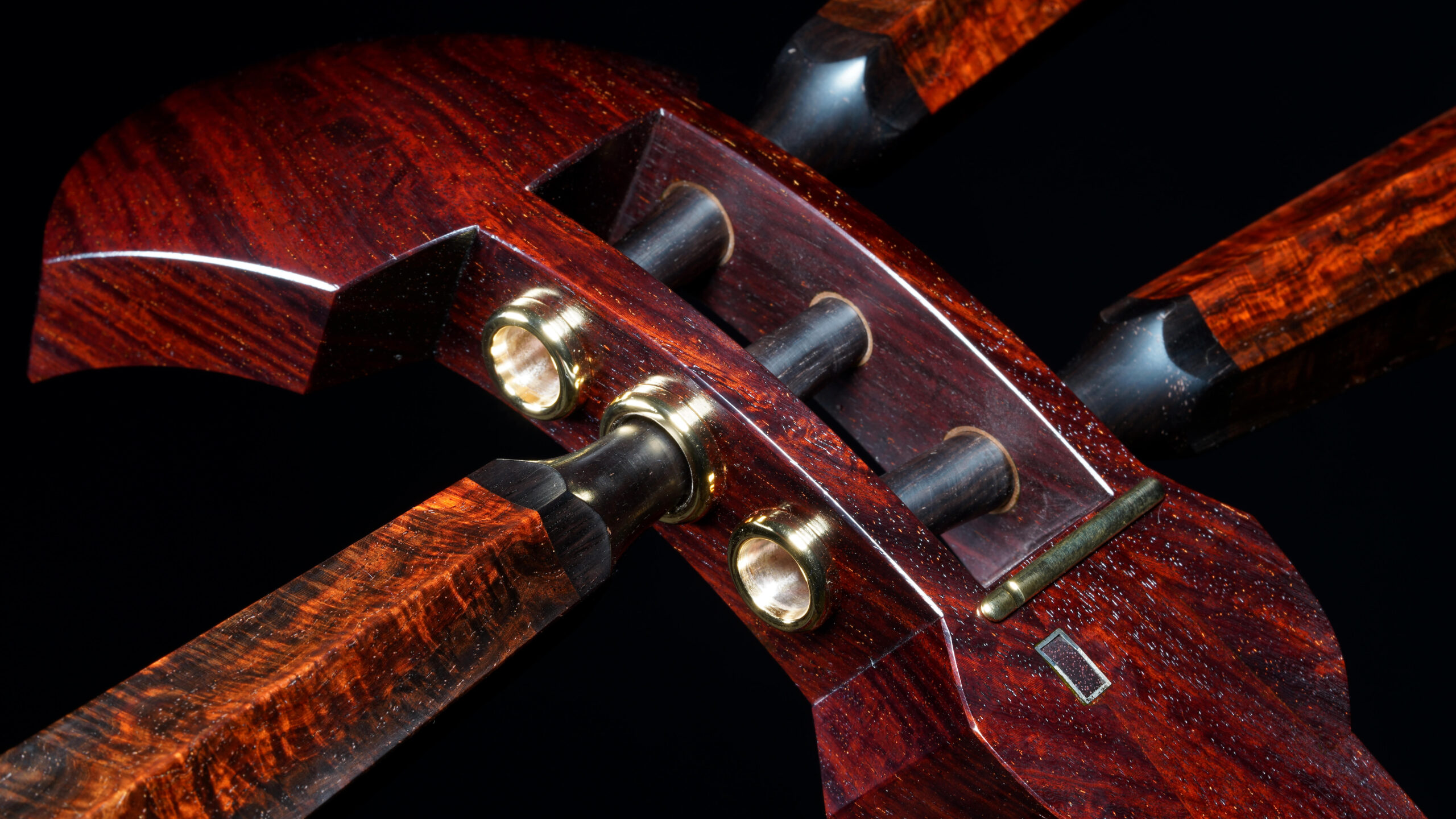
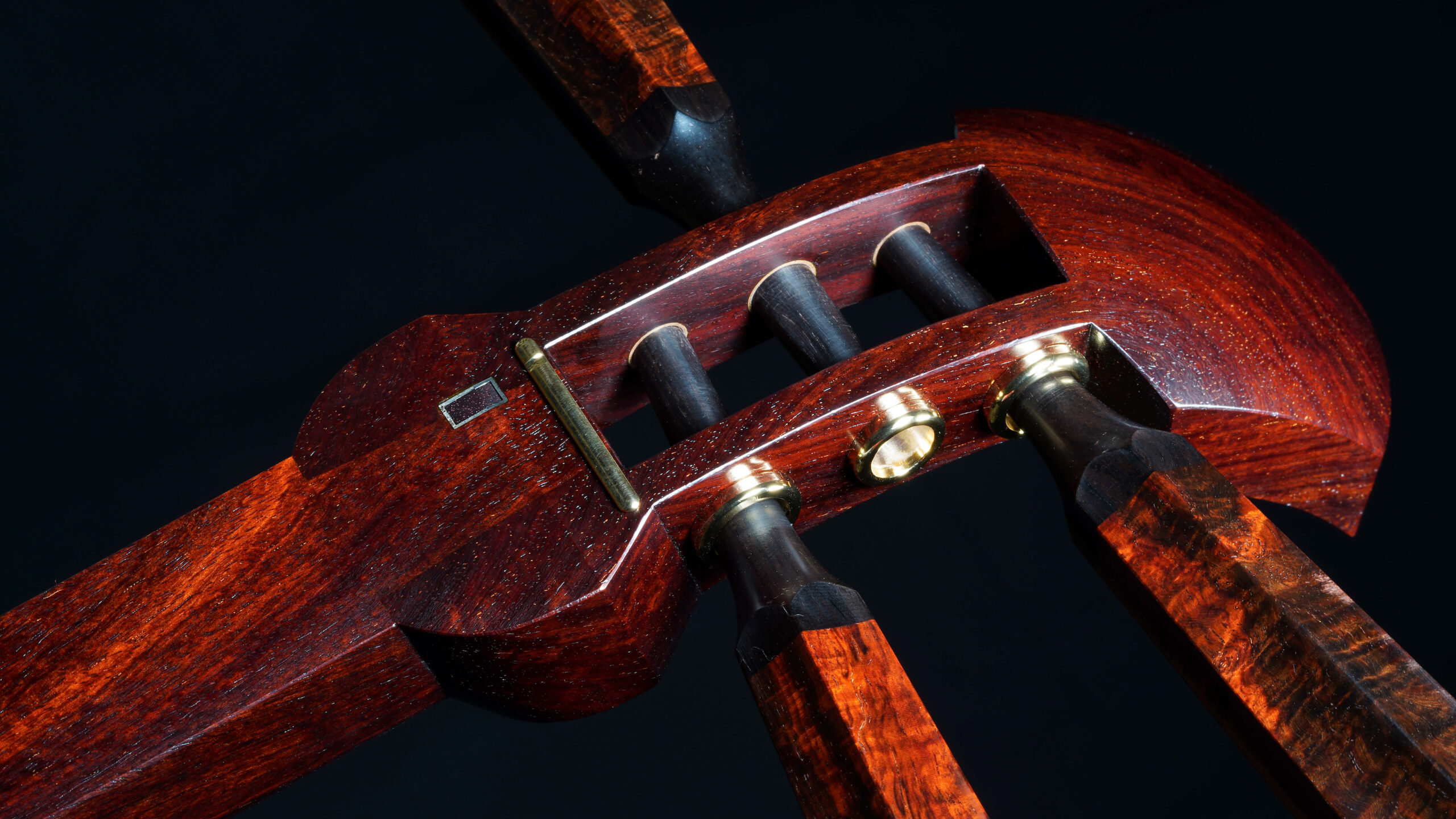
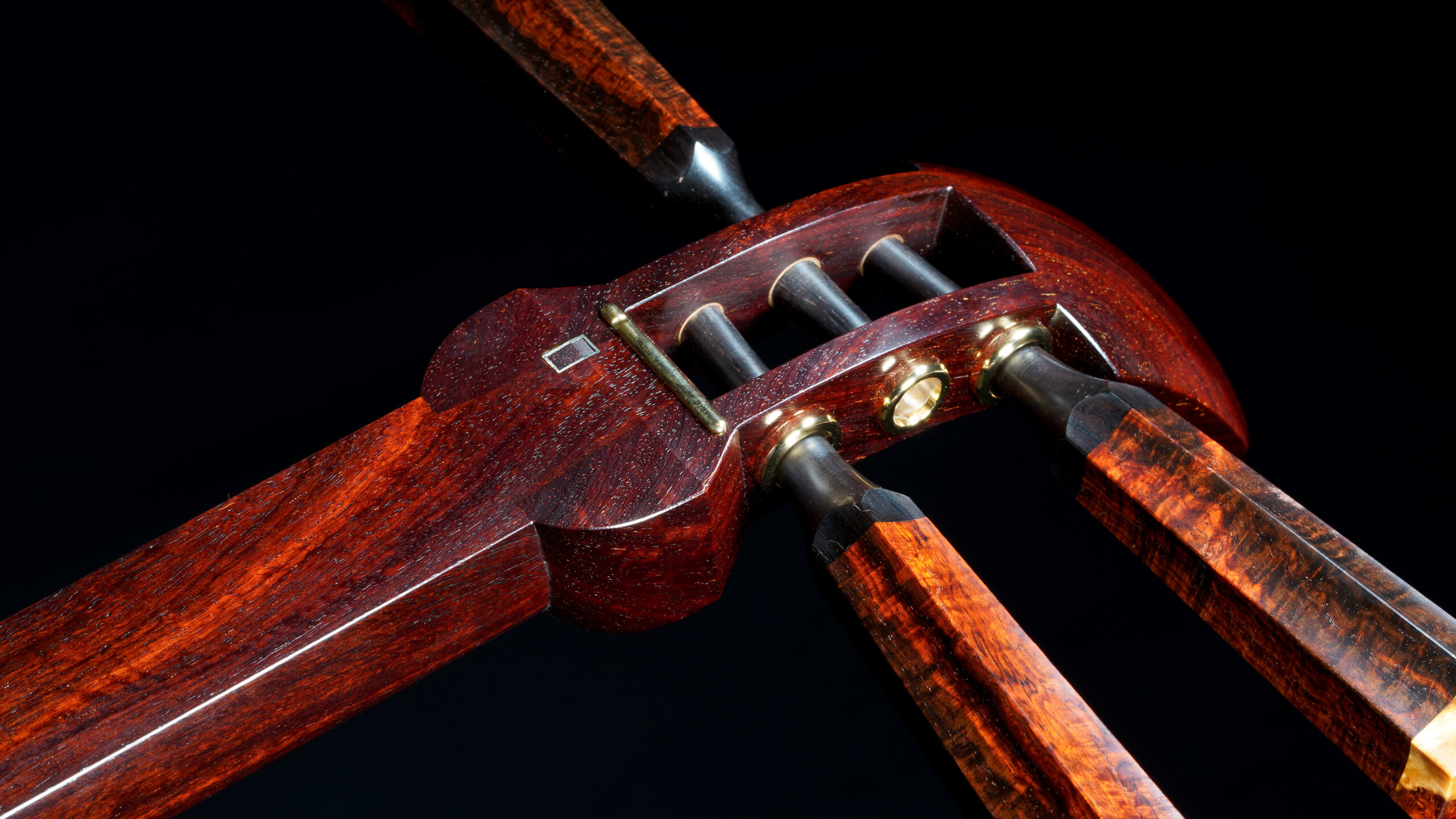
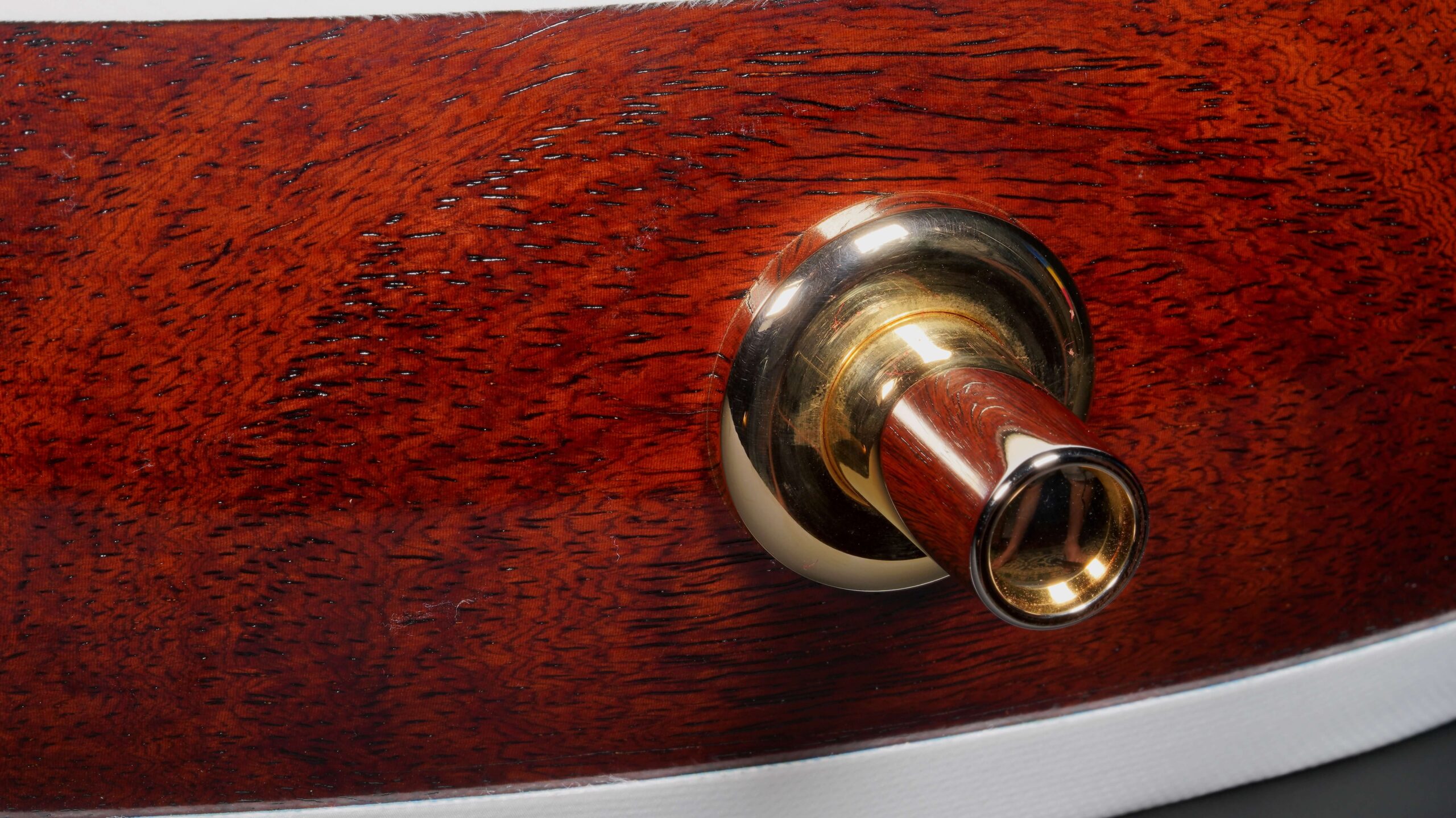
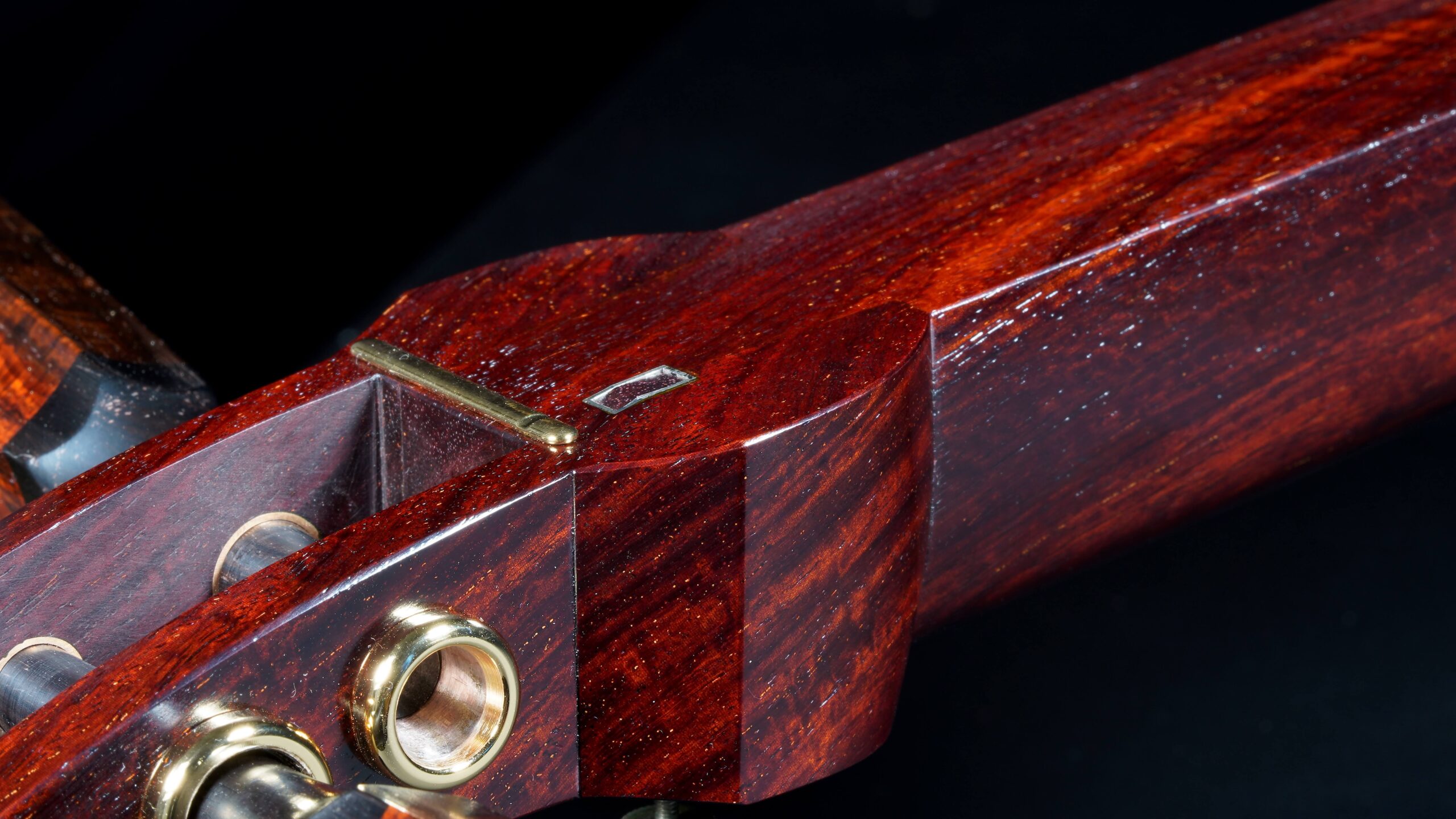
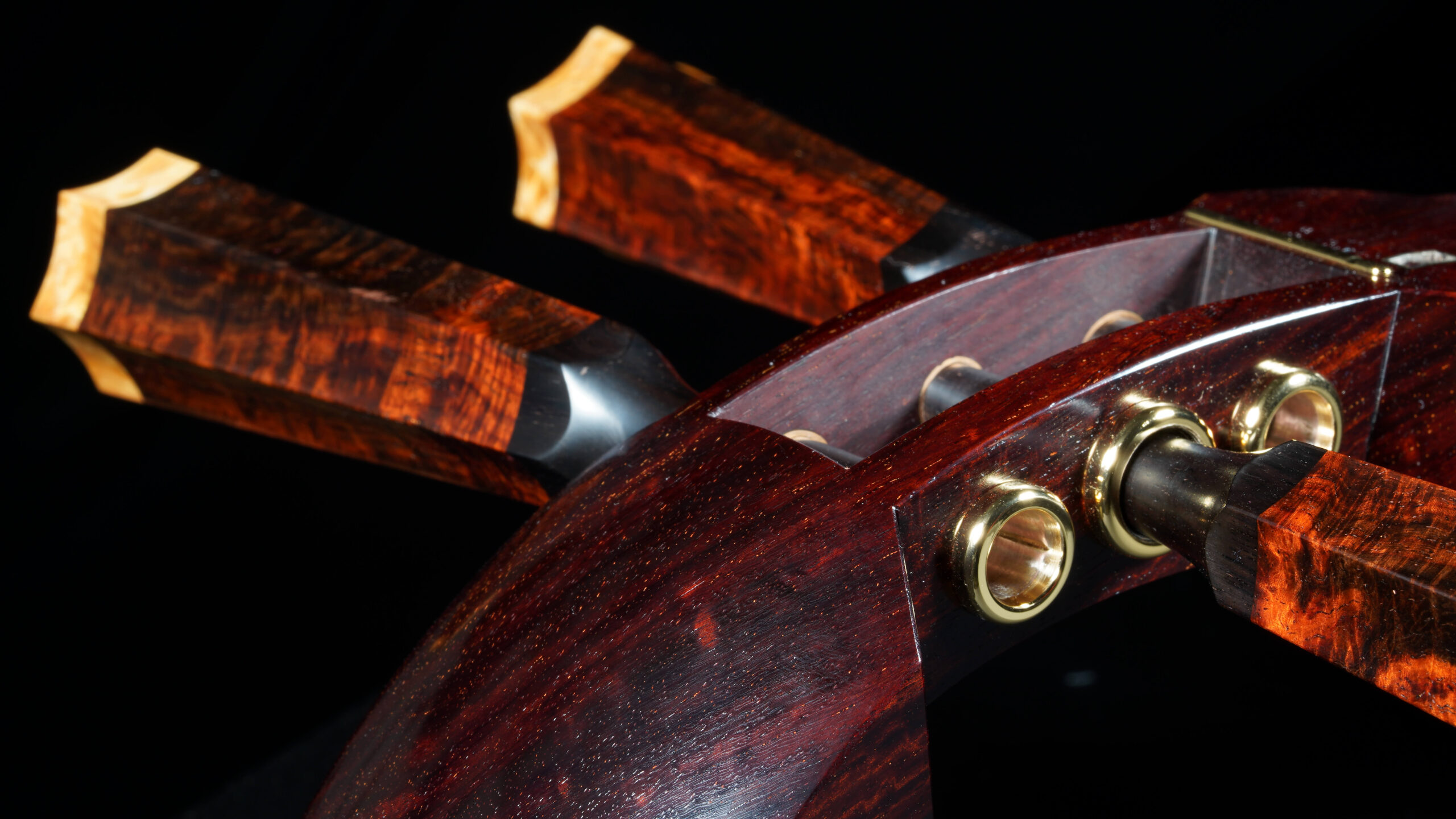
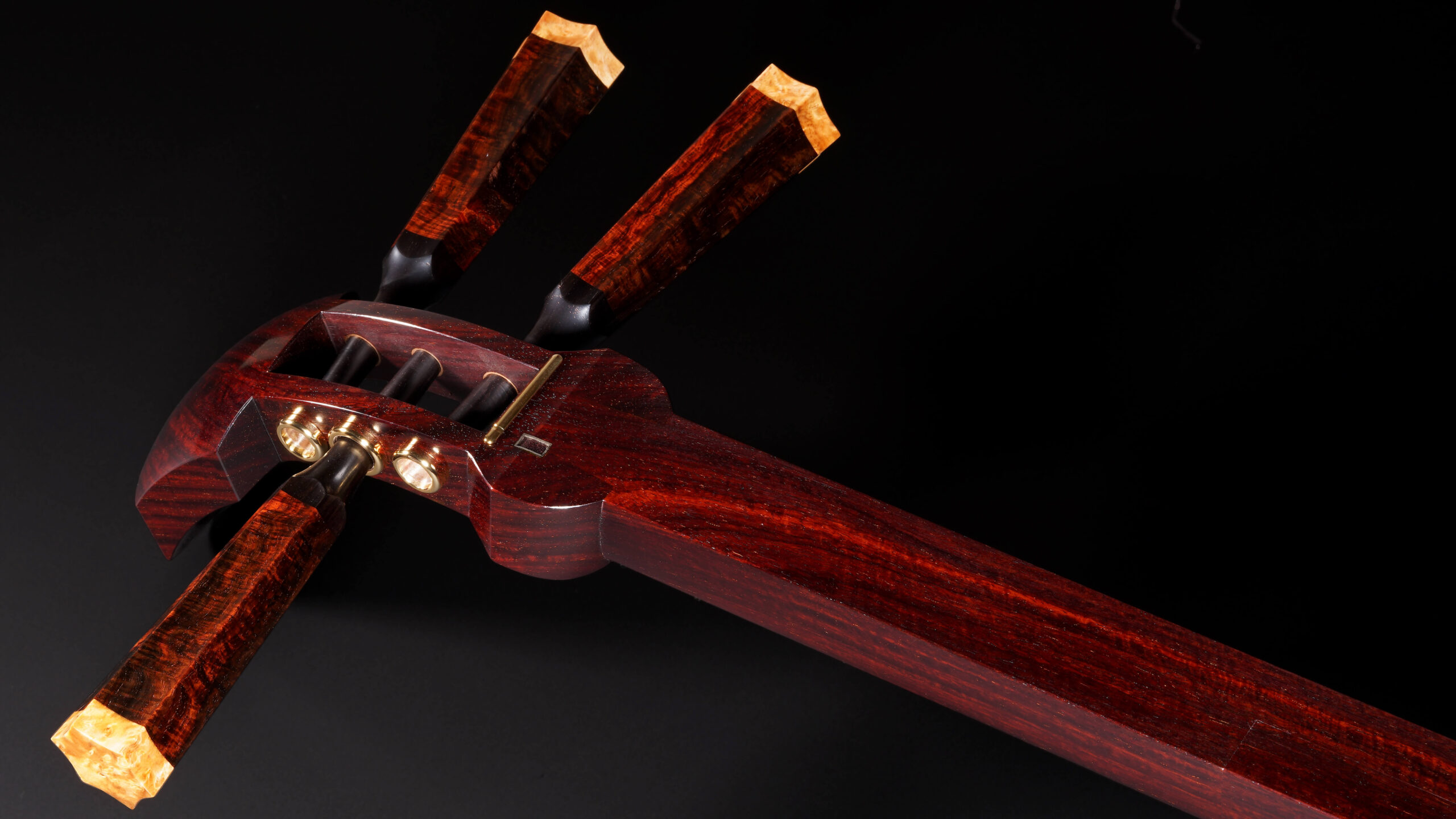
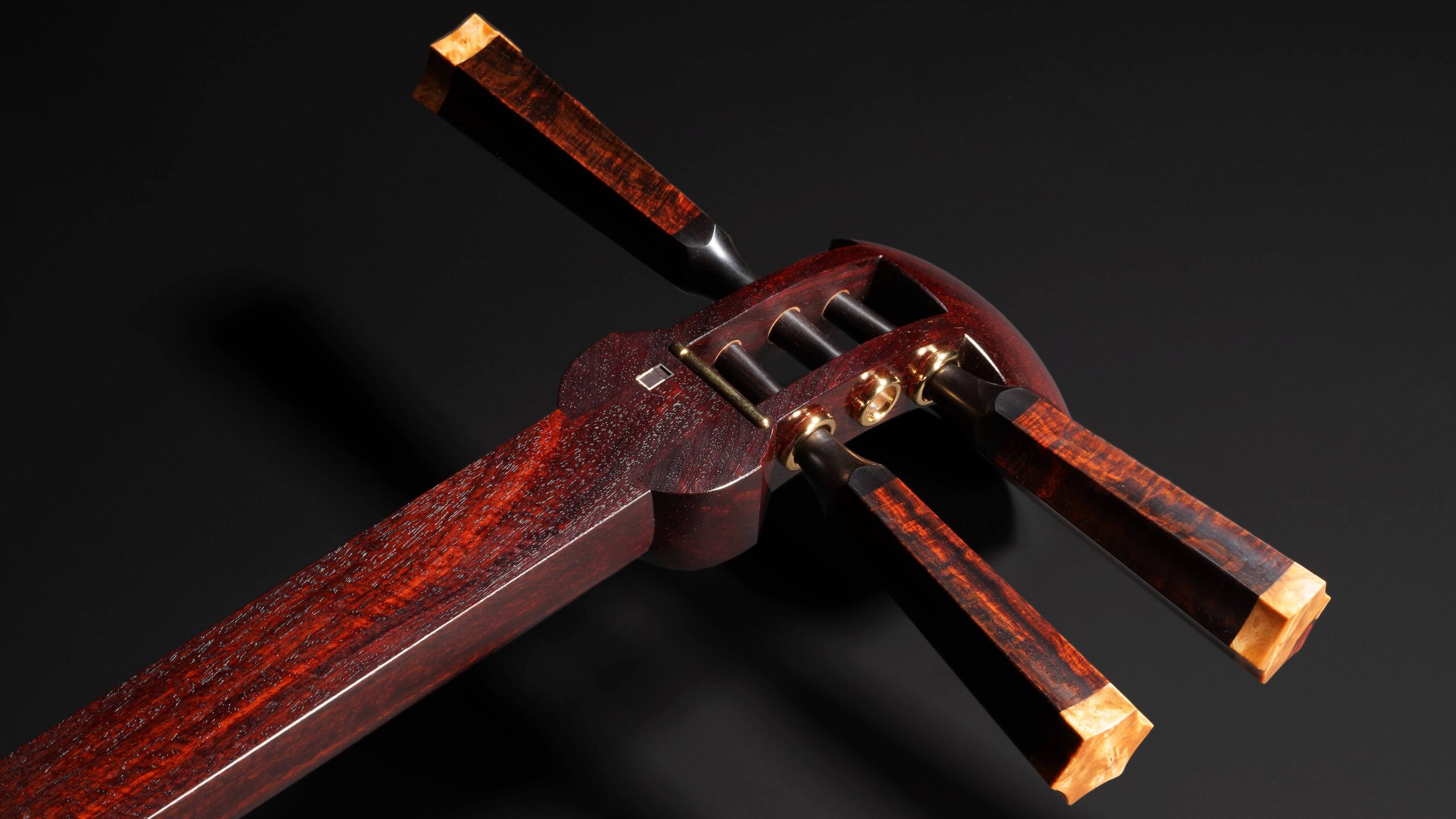
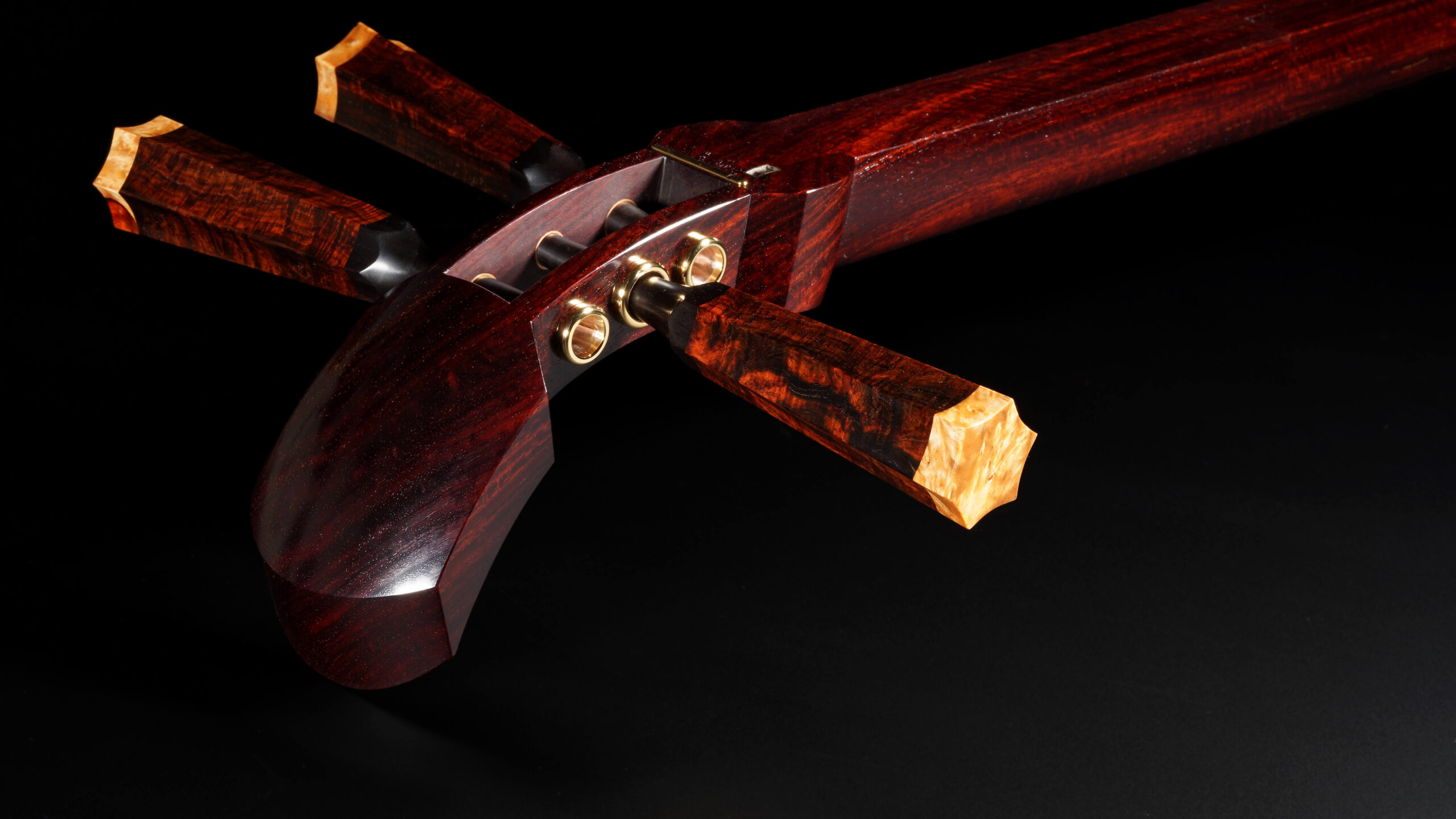
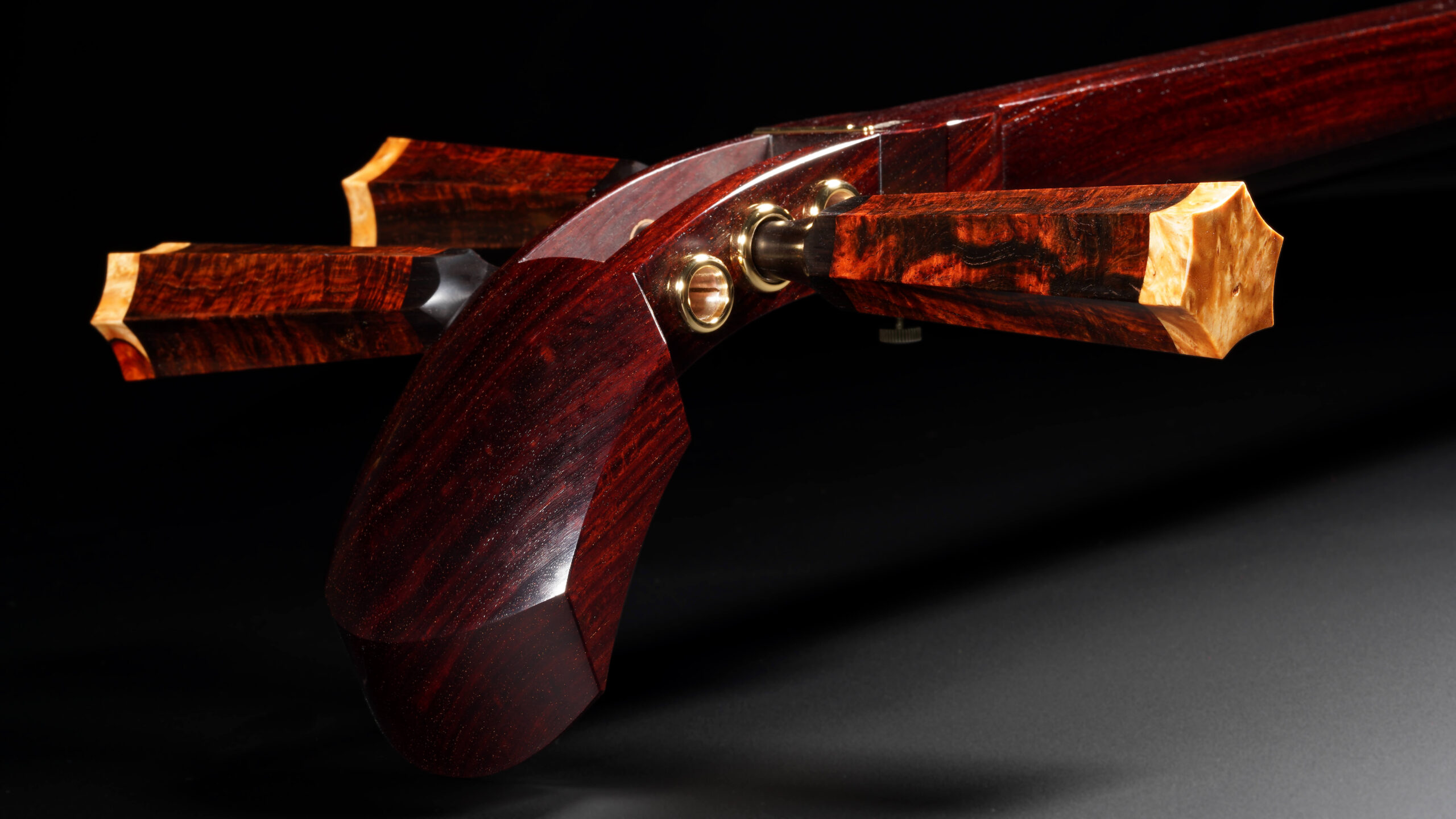
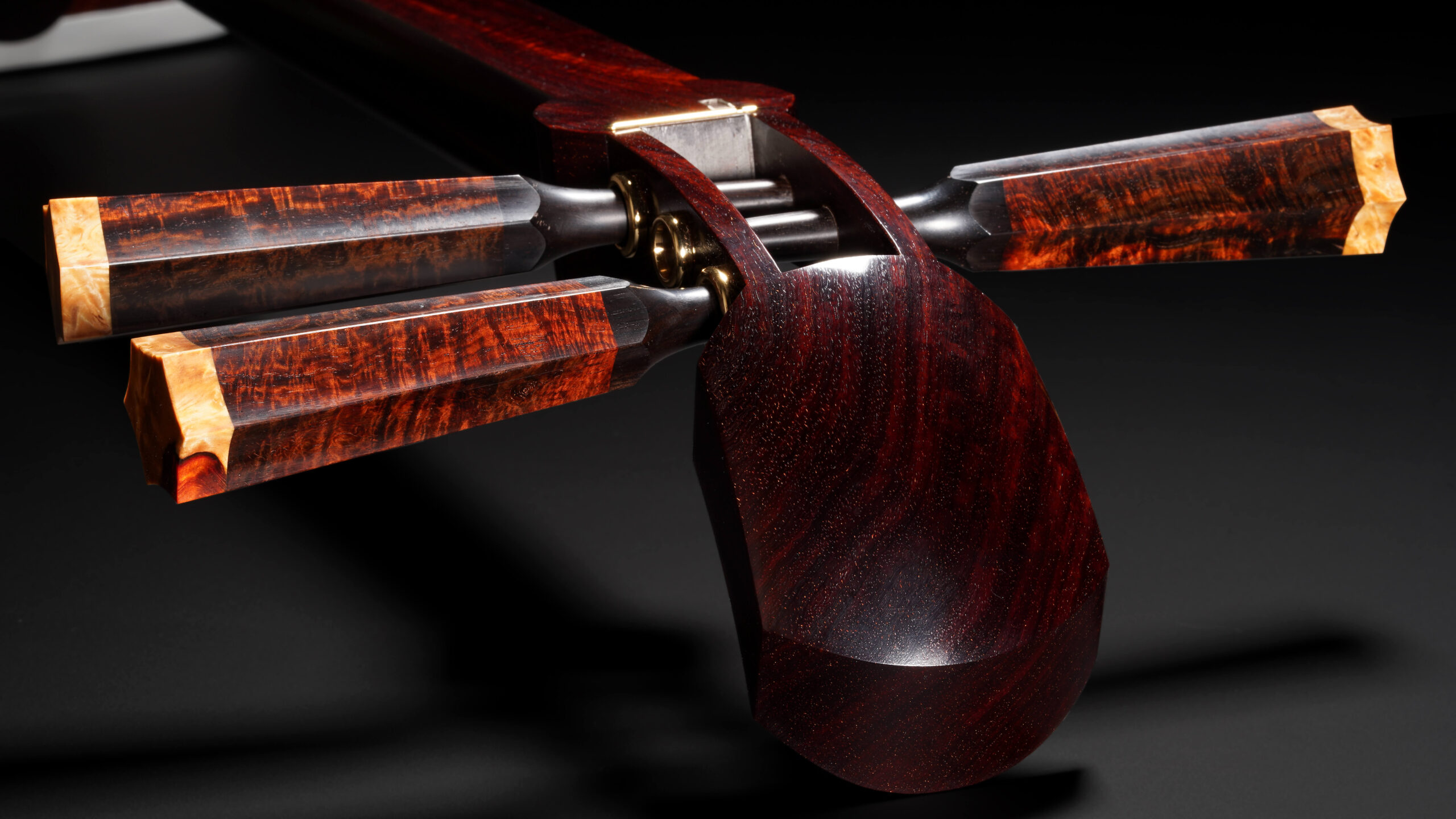
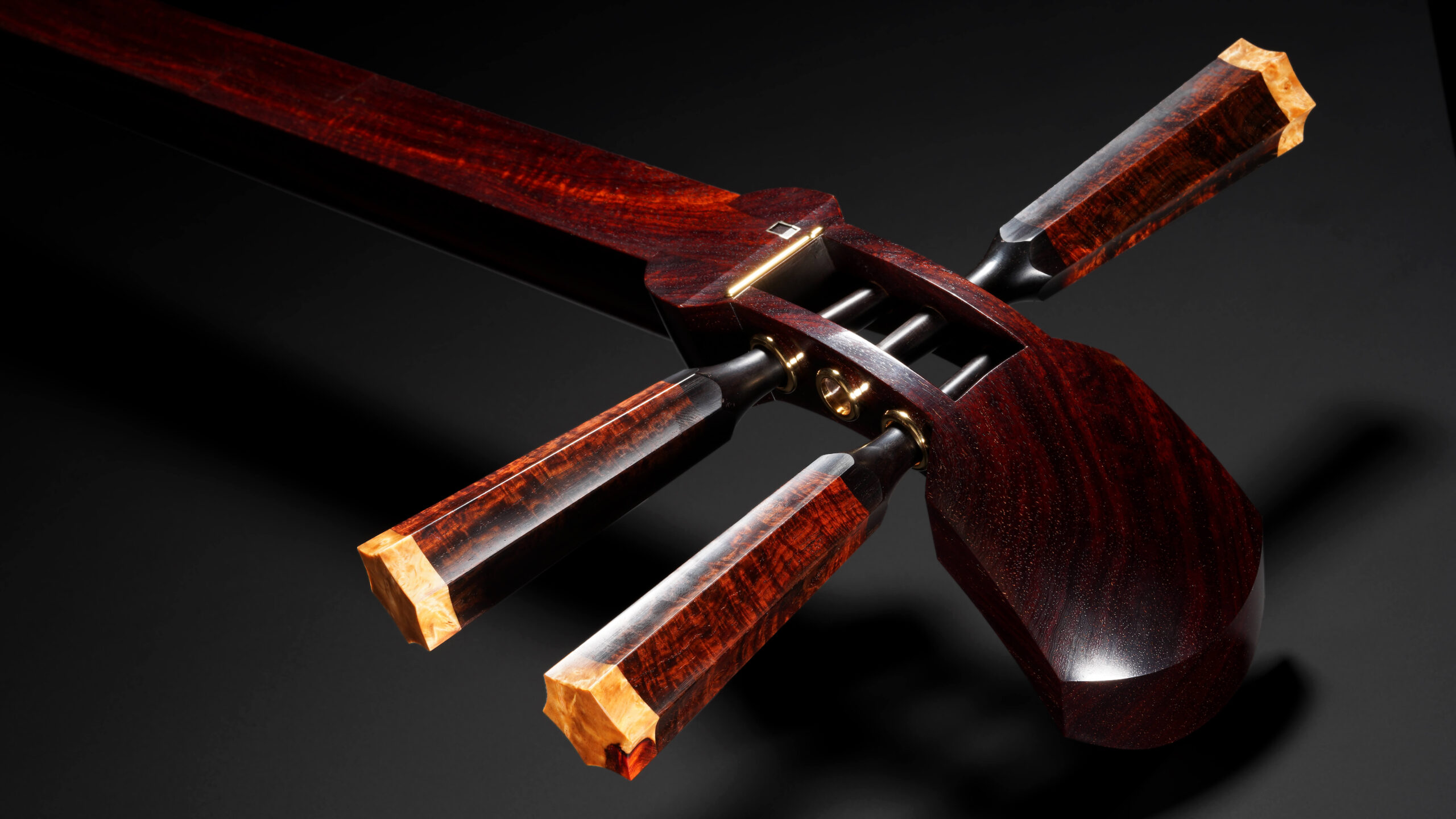
The Hardware: As well as the standard rindo, zagane, and azuma sawari, this shamisen also features kinbozo (gold-plated fittings) in the joints, traditionally reserved for only the highest-tier instruments.
First taste of Hibiki Sonic Skin
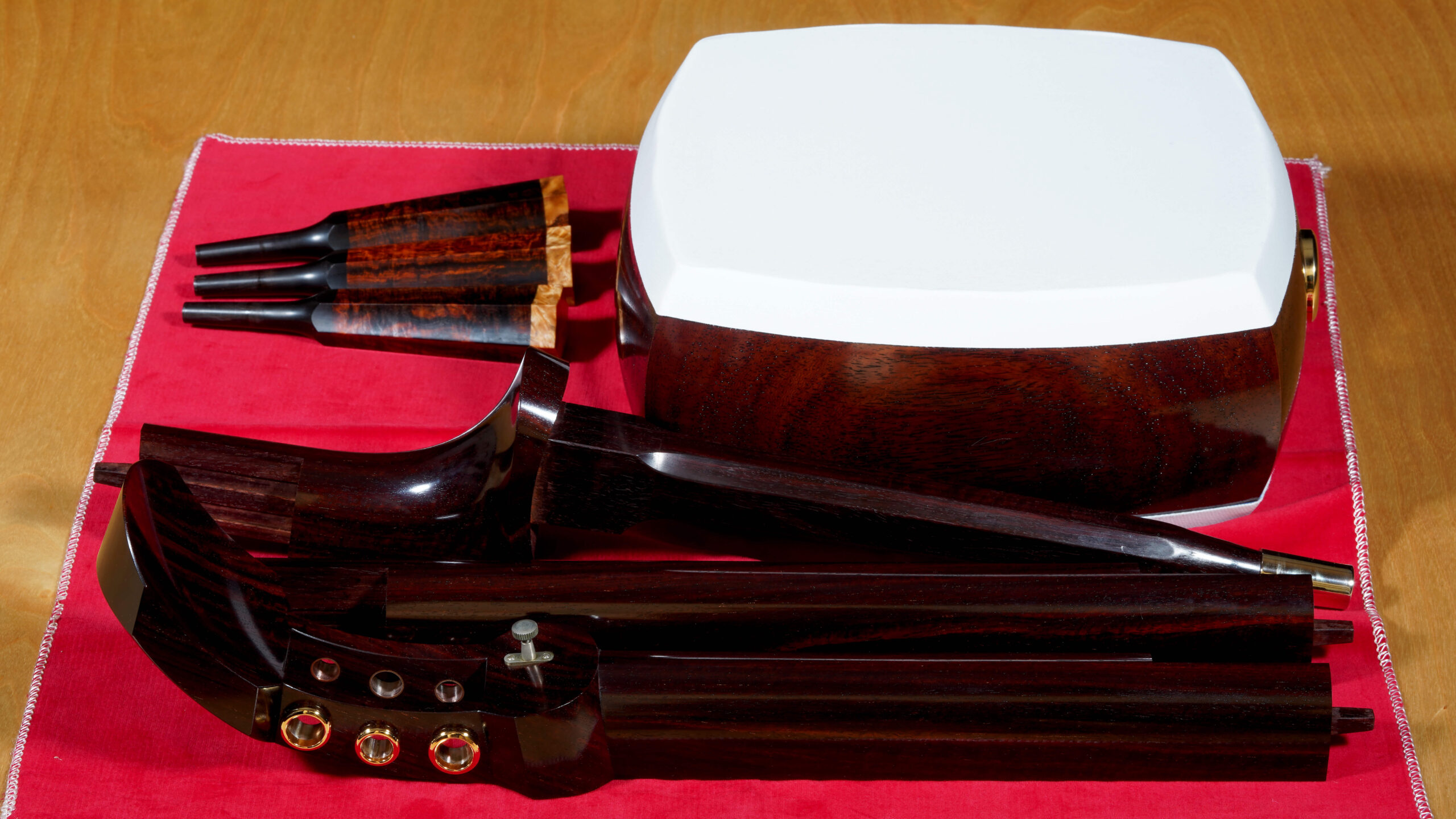
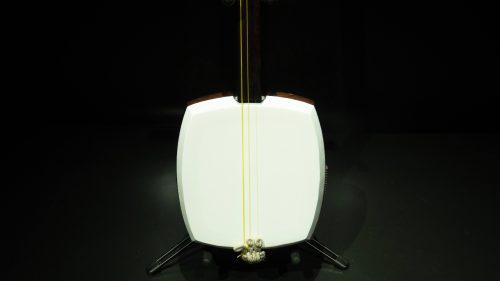
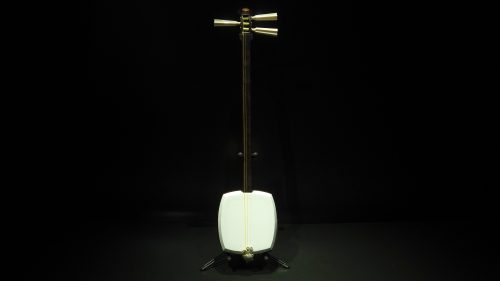
Be among the first in the world to experience Hibiki Sonic! This is a monumental update for both Hibiki and synthetic shamisen skin technology—offering a resonance and surface texture much closer to natural skin than ever before. It is not yet available to the general public, but comes standard with this instrument Currently skinned with White Hibiki Sonic.
Phoenix Elite Itomaki
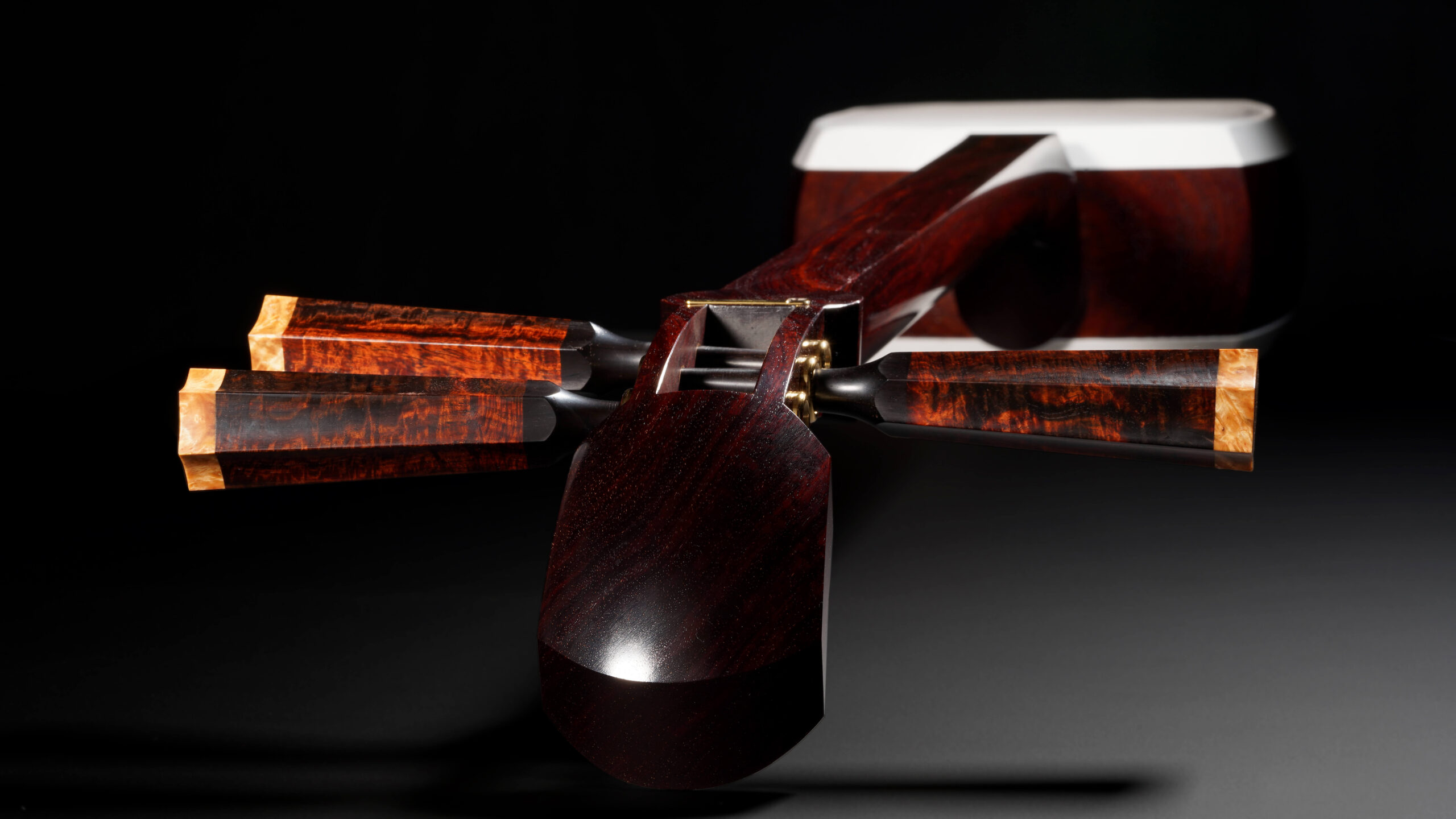
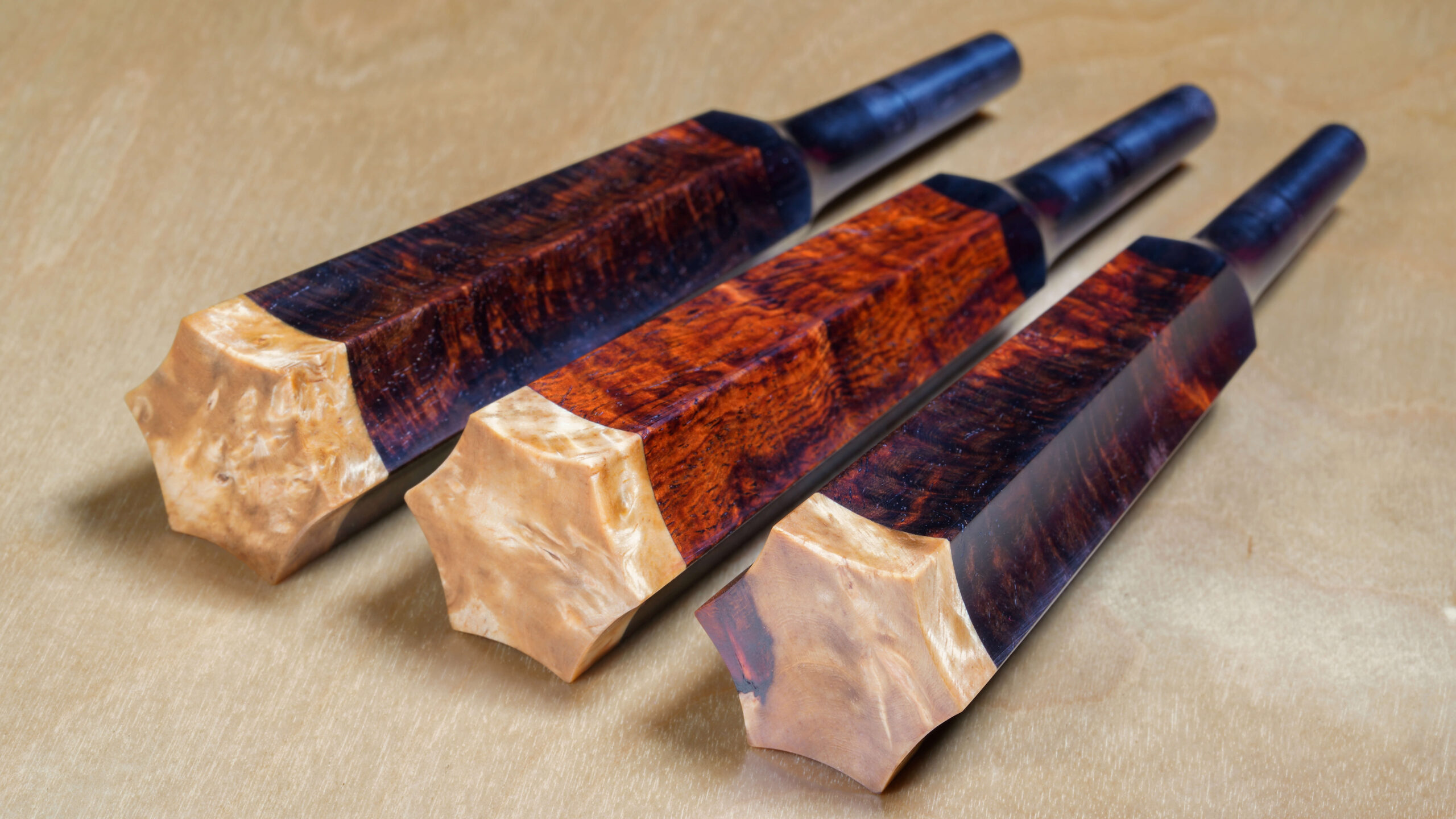
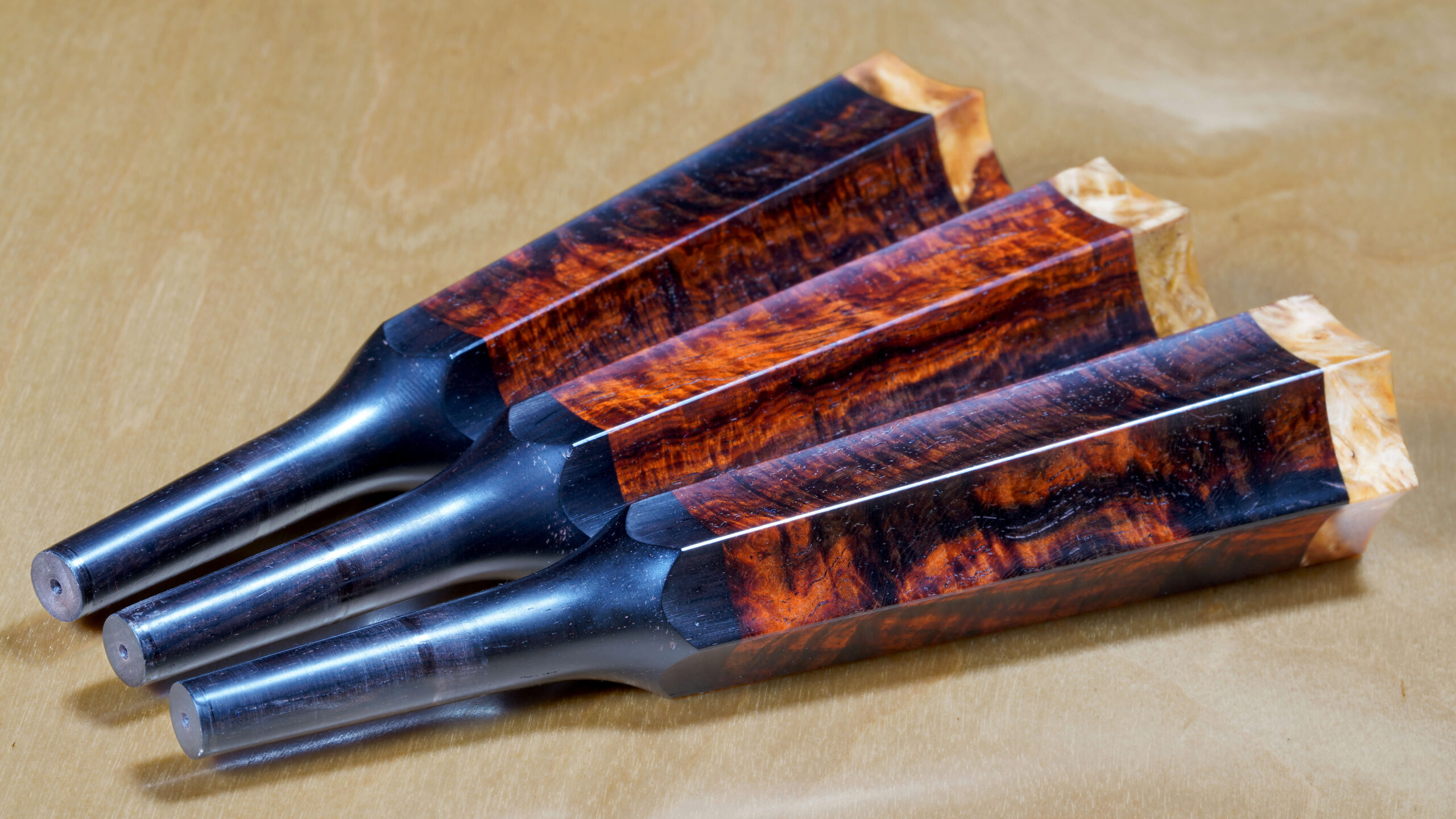
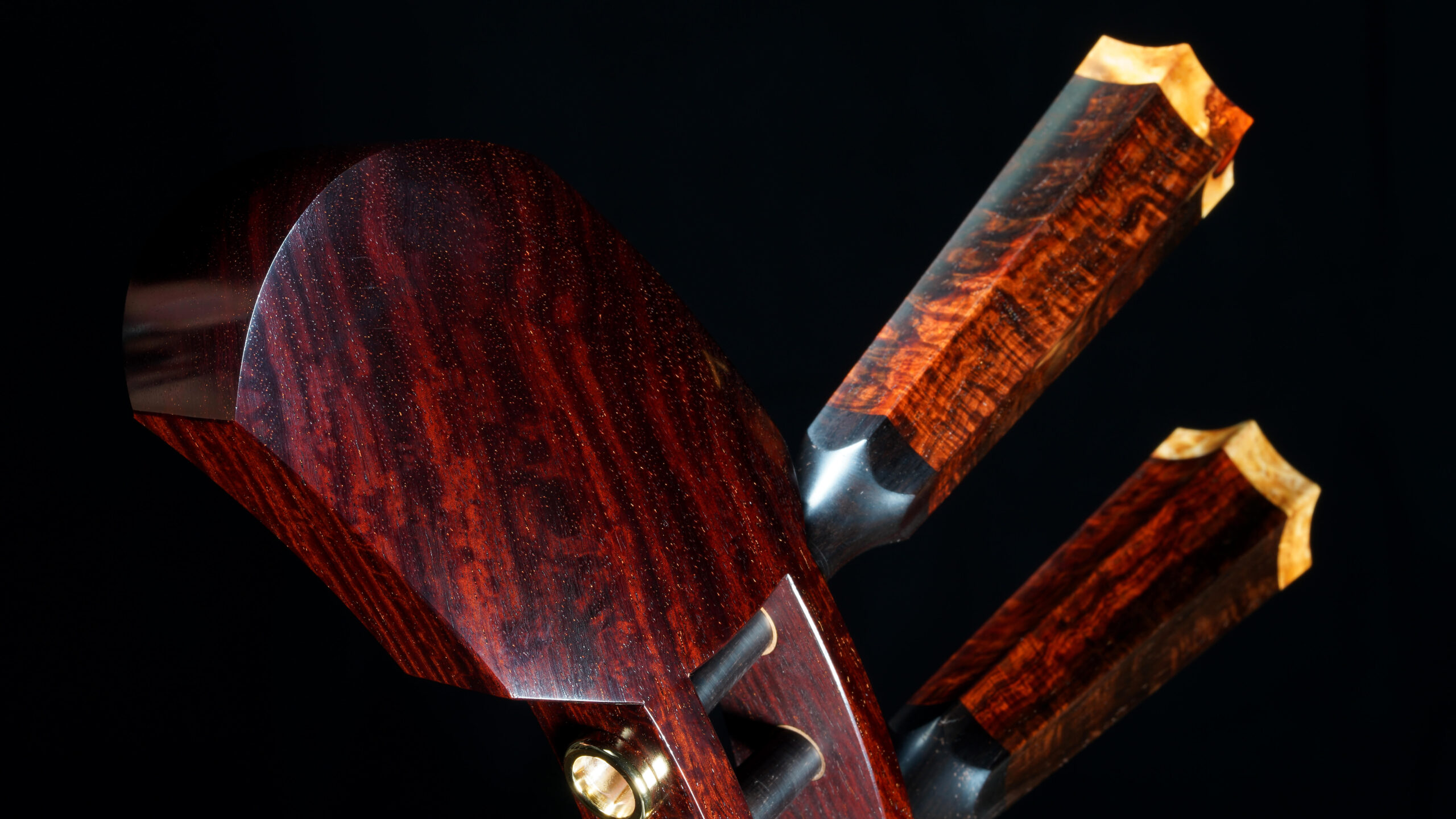
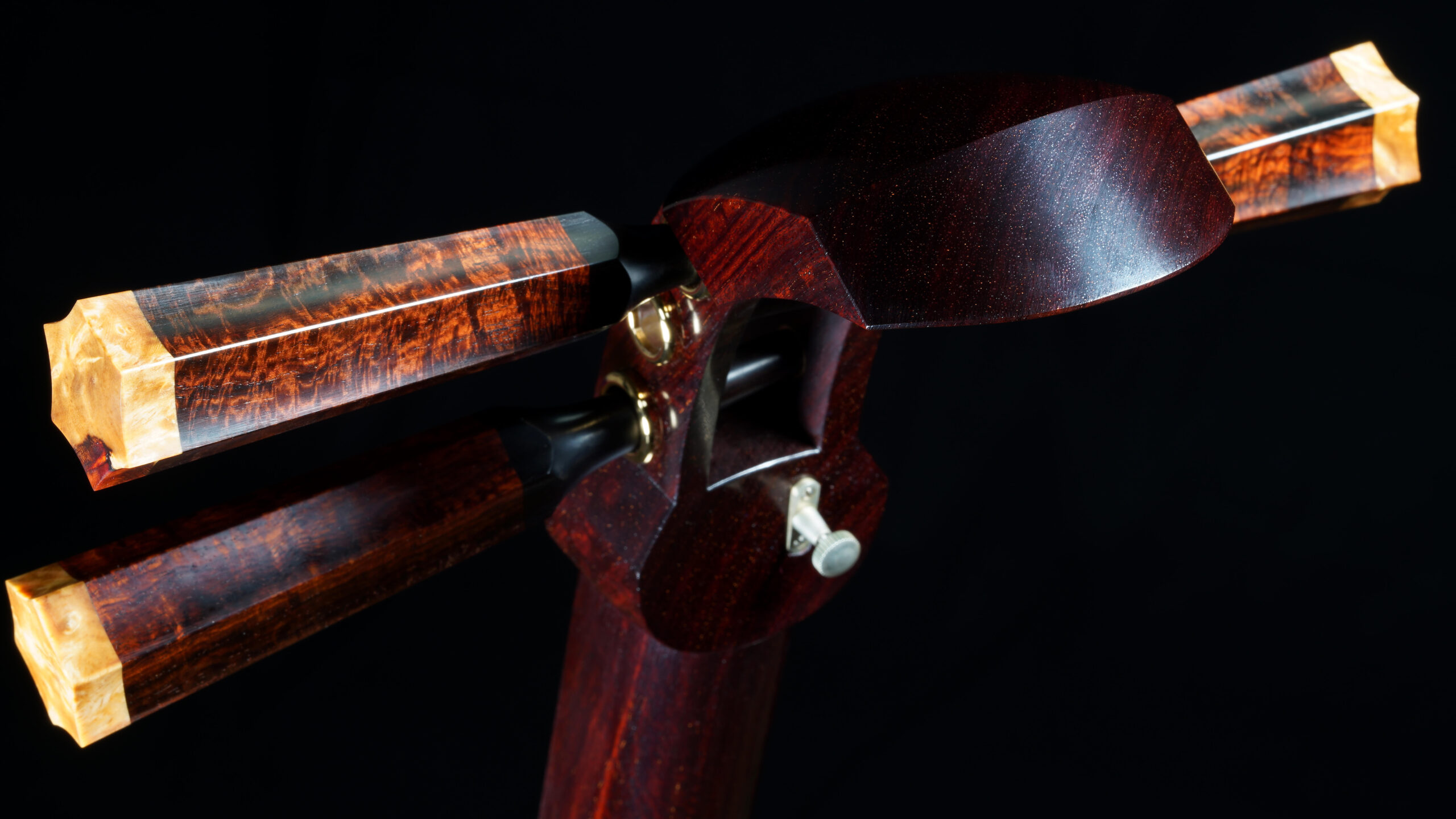
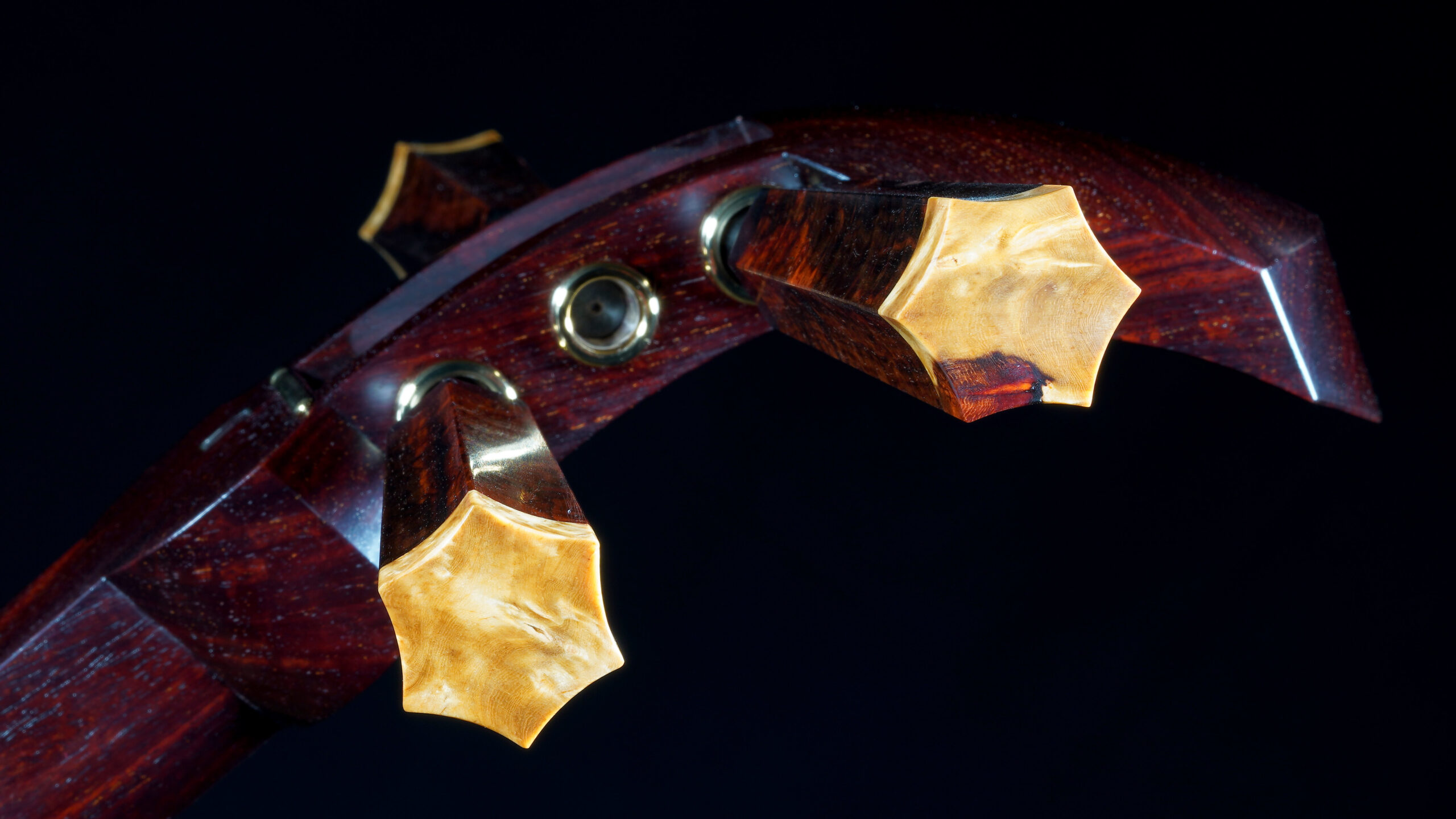
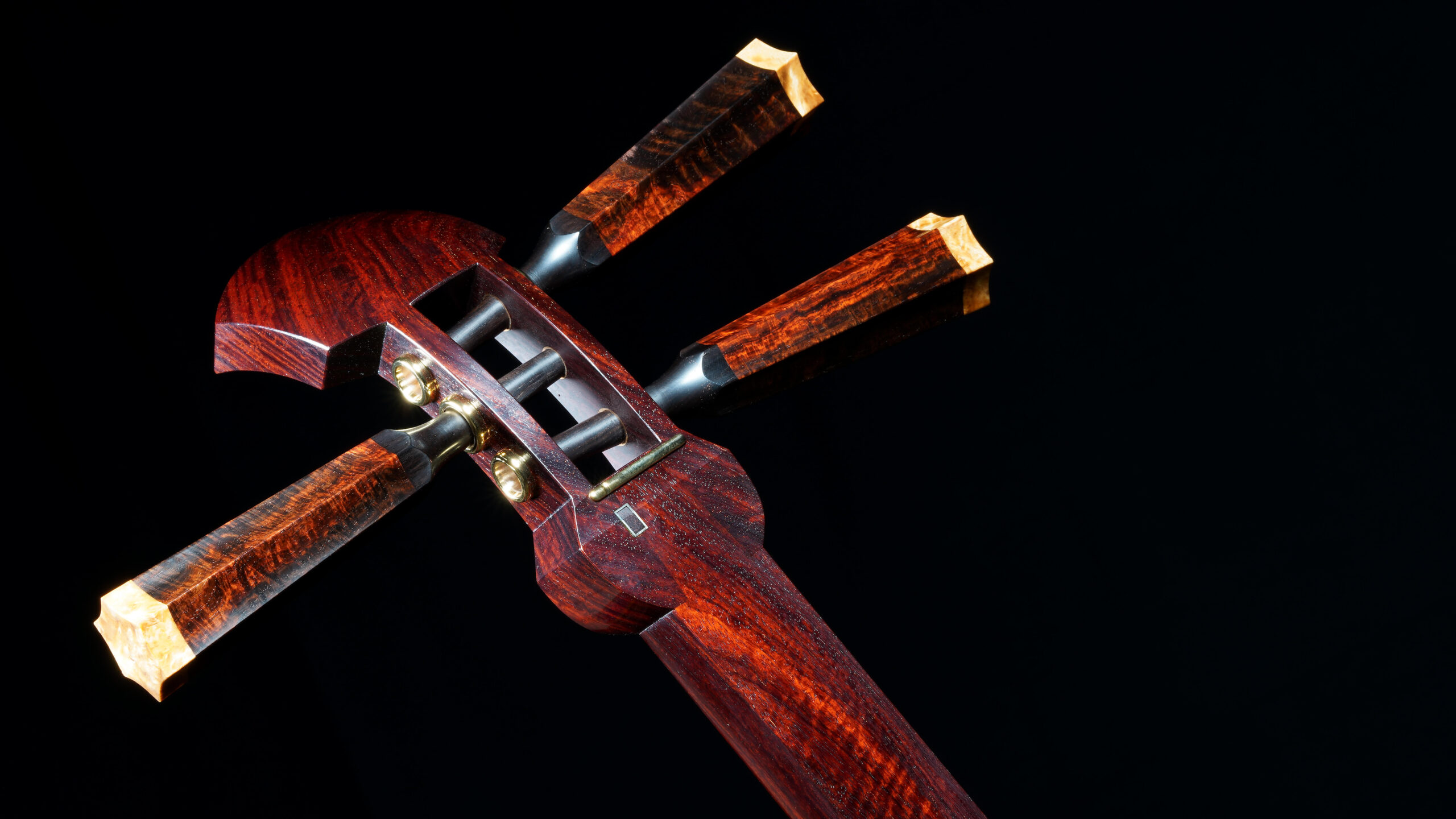
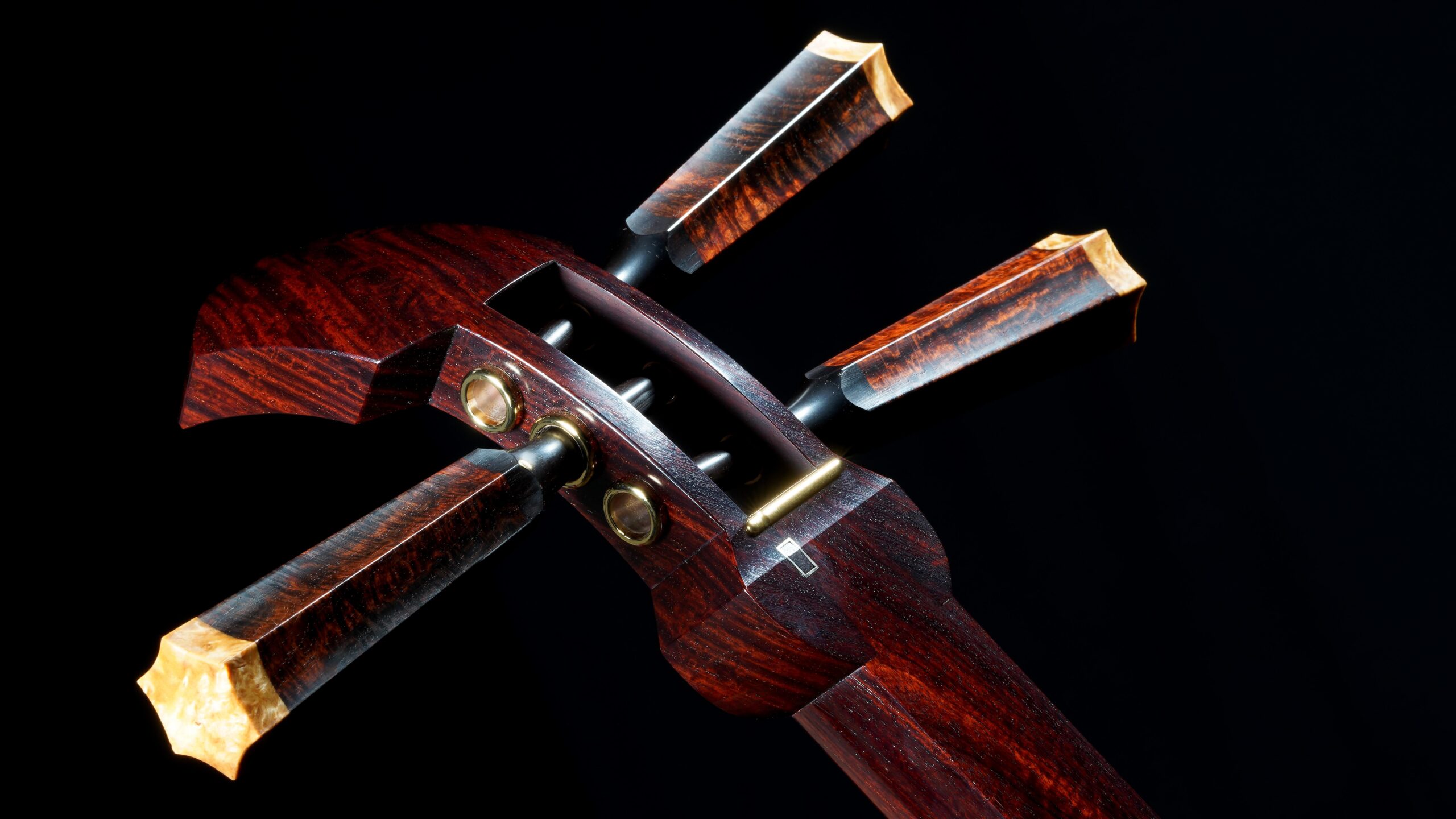
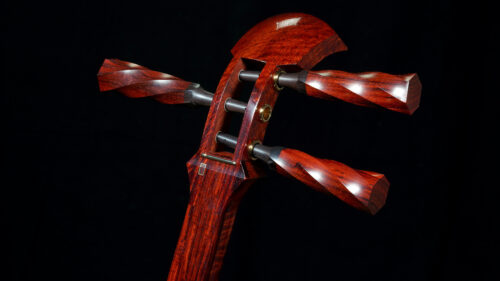
As the original itomaki wouldn’t fit into the new zagane (which are slightly larger than they used to be), I installed my Phoenix line of Elite Itomaki, the highest tier with incredible curly siamese rosewood and amboyna burl caps! I’ve been waiting to install these on a shamisen with enough incredible figure to match them, and this was a perfect pairing!
What’s Included:
-
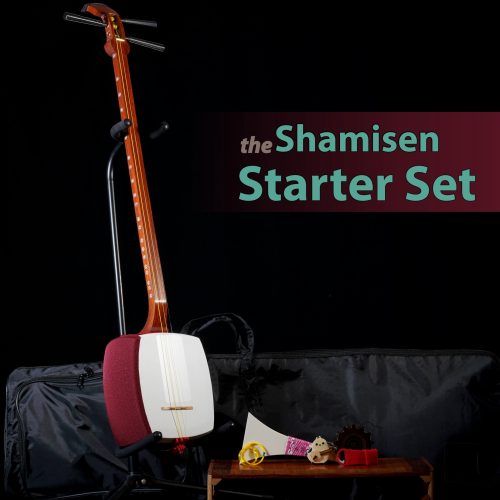
Your choice of lacquered Doukake (armrest) – choices shown in photos.
-
Your choice of Neo (string tie)
-
Your choice of Black or White Hibiki Sonic skin


Reviews
There are no reviews yet.